

Key Components of a Crane Remote System: Technical Guide
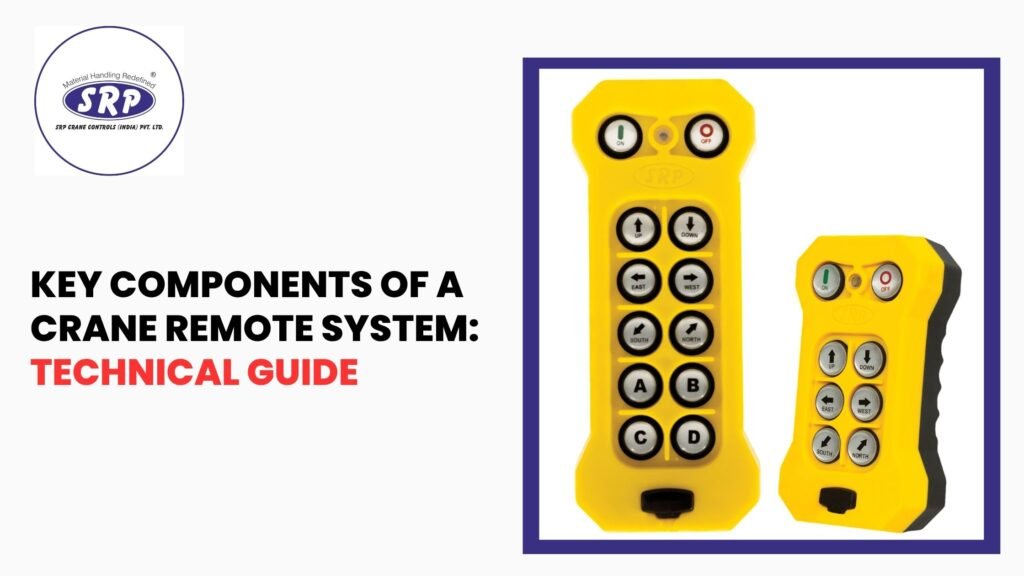
Introduction Most crane remote failures get blamed on the wrong component. Maintenance teams replace transmitters when the real fault sits in a corroded receiver antenna. They swap out batteries when the actual problem is a loose relay output terminal. This misdiagnosis pattern is common because buyers rarely receive technical documentation that explains how each component […]
How Crane Remote Control Systems Work: A Technical Guide
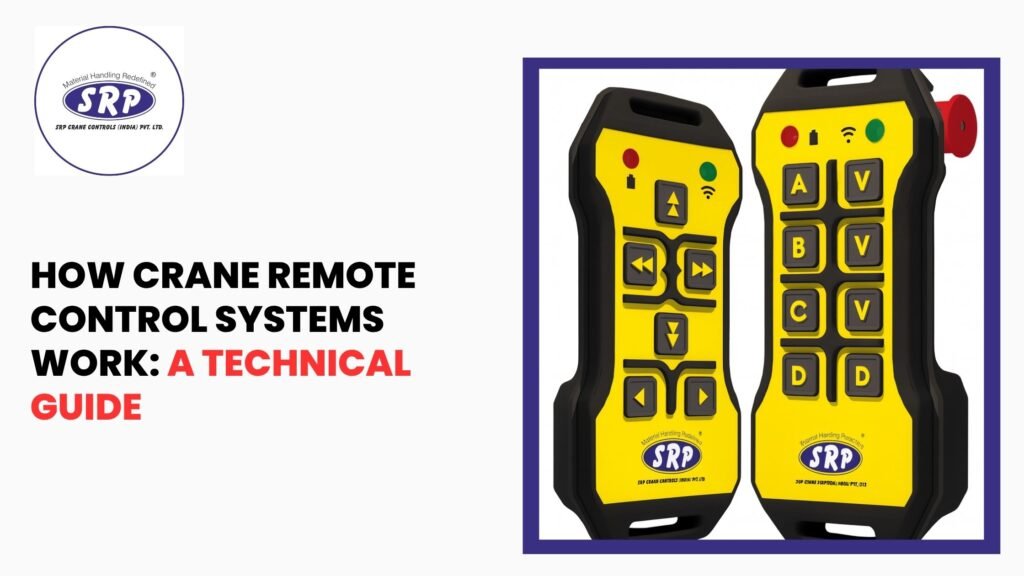
Introduction Most crane operators press a button and expect the crane to move. Very few understand what happens in the 50 milliseconds between that button press and the hoist responding. That gap in understanding becomes a serious problem when systems malfunction, signal dropouts occur, or facilities need to troubleshoot interference in electromagnetically noisy environments. Wireless […]
Crane Control Remote
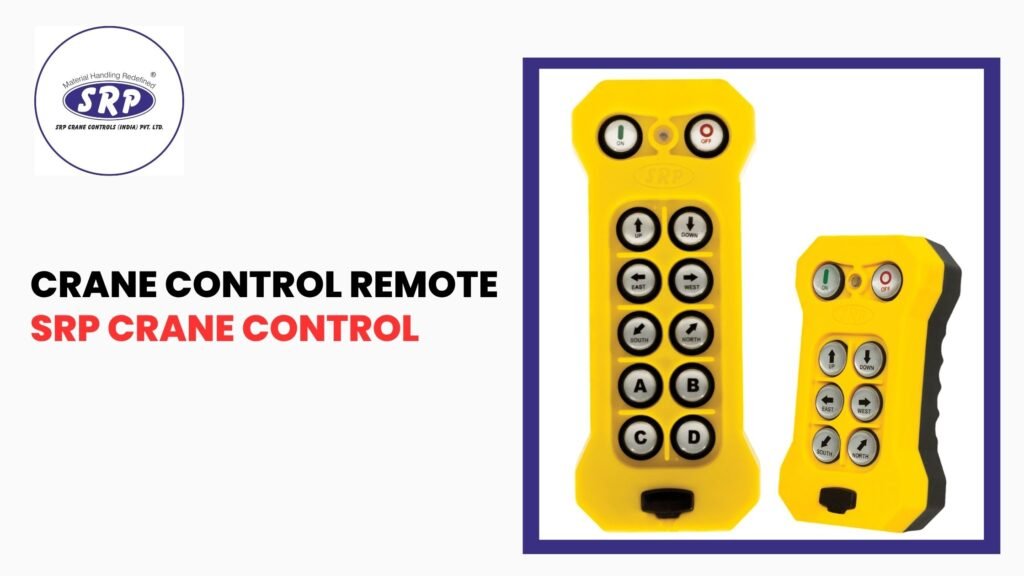
Crane control remotes are wireless devices that enable operators to safely manage overhead cranes like EOT models from a distance. They typically consist of a handheld transmitter and a crane-mounted receiver that communicate via encrypted radio signals for precise control of hoisting, traversing, and other movements. This technology enhances safety by keeping operators away from […]
Why DSL Busbar Systems Improve Industrial Crane Efficiency
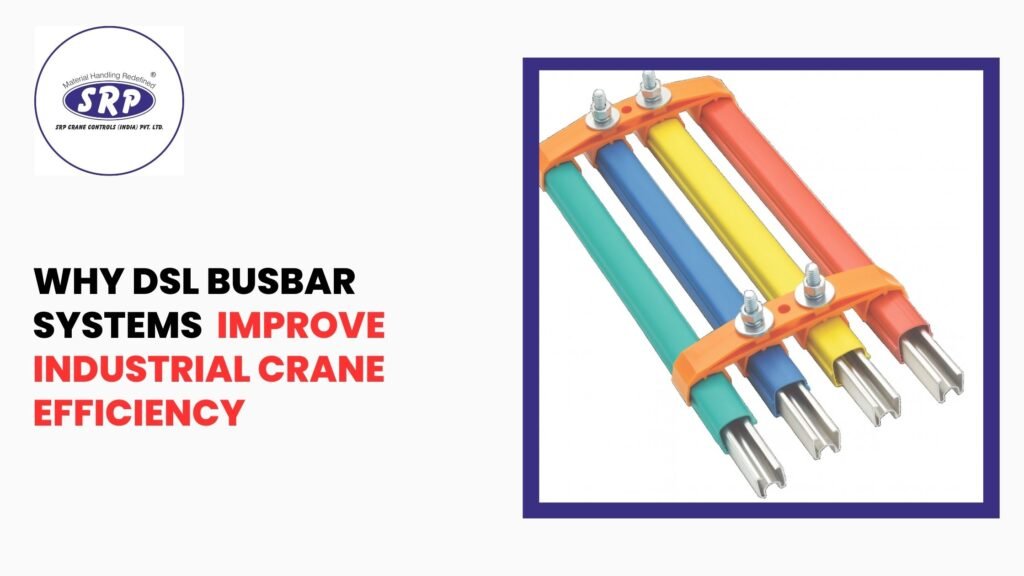
Introduction Your crane completes 40 lifts per shift. Cable drag, voltage drop, and festoon maintenance interruptions quietly steal 6–8 of those cycles. You never see those losses on a report because they blend into background noise—slow positioning, motor hesitation, and micro-stoppages that add up to 15–20 minutes of wasted capacity every shift. DSL busbar systems […]
Industrial Crane Remote Control: Guide to Better Operation
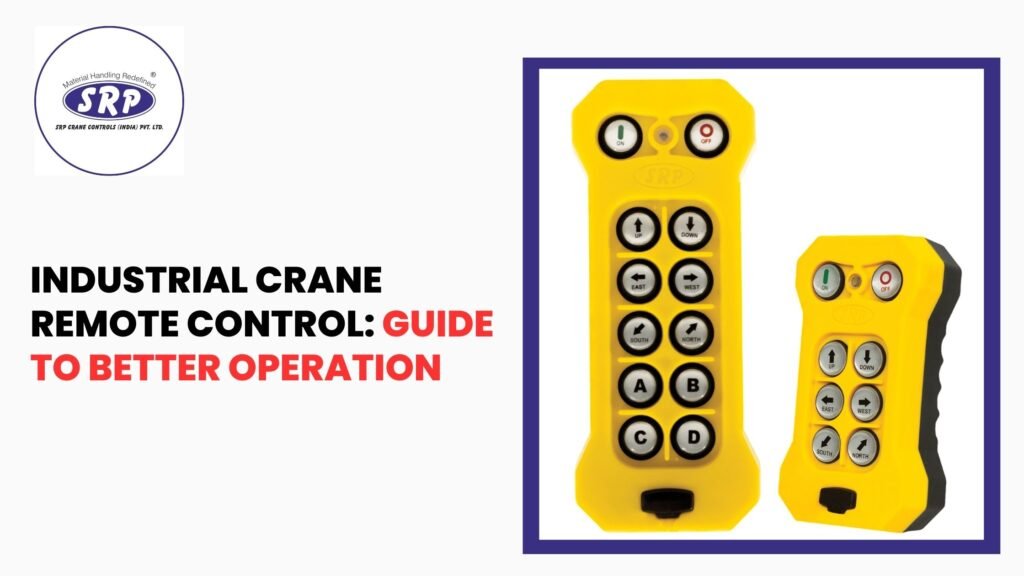
Your crane remote control isn’t the problem. How it gets used is. Most crane incidents traced back to remote control operations involve three patterns: operators standing in the wrong spot, poor pre-shift maintenance checks, and erratic load handling caused by abrupt joystick inputs. The remote functions correctly—but the operator is 2 meters from a swinging […]
How DSL Busbar Systems Work in EOT Cranes: Technical Guide
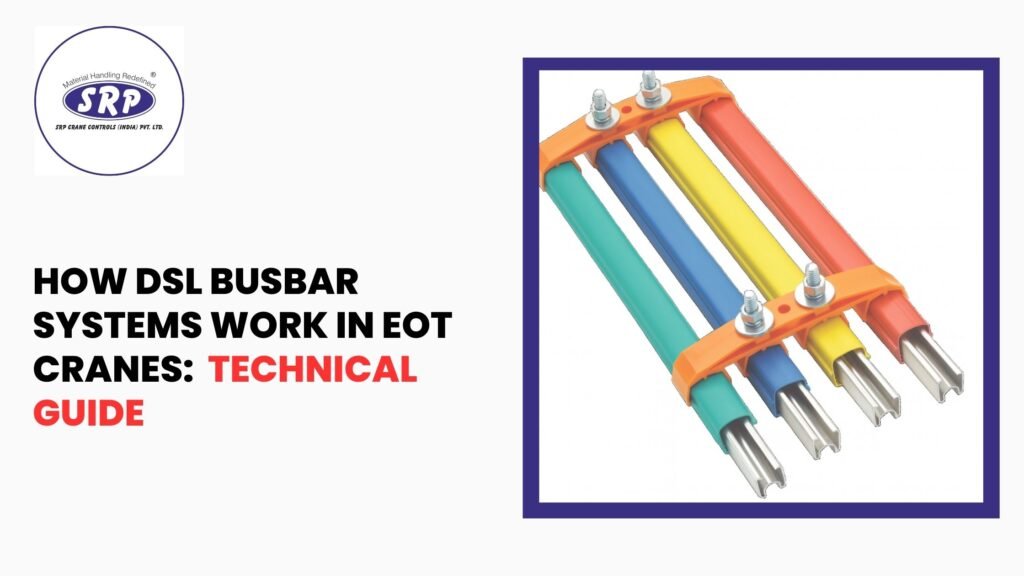
Introduction EOT crane downtime often starts with the power supply—not the motors, not the controls. Festoon cables are the most common culprit. They flex thousands of times daily, fatigue at bend points, and snap without warning during peak production. When that happens, the crane stops, the bay halts, and maintenance teams scramble to source replacement […]
Why Wireless Crane Remotes Improve Manufacturing Plant Safety

Introduction Manufacturing plants rely on overhead cranes for moving heavy materials, but pendant‑controlled cranes force operators to stay within cable reach—often directly under loads or beside moving machinery. This restriction creates blind spots, increases exposure to falling objects, and contributes to operator fatigue during long shifts. Wireless crane remote controls remove the physical tether, letting […]
Industrial DSL Busbar Systems for Crane Power Solutions

Introduction Your crane motor just tripped. Maintenance finds a burned-out conductor connection in the cable carrier. The third failure in eight months. Every repair costs ₹25,000–60,000 in parts and labor, plus 4–8 hours of unplanned downtime. Cable-based crane power systems fail predictably because they use the wrong technology for the job. Cables flex thousands of […]
Choosing the Best Crane Radio Remote Control System Guide

Most buyers pick crane radio remotes the wrong way. They get three quotes, filter by price, and choose the cheapest unit that matches their crane’s voltage. Six months later, signals drop mid-lift in the steel bay, battery life doesn’t survive a double shift, and the button layout forces operators to look down during critical placements. […]
DSL Busbar System for Overhead Cranes: A Complete Guide

Introduction Most overhead crane downtime traces back to a single weak point: the power supply system. Festoon cables wear out from repetitive bending, get snagged on equipment, and fail without warning in the middle of production shifts. A snapped cable on a 10-ton EOT crane can shut down an entire bay for 4 to 8 […]