

Wireless Crane Remote Control Systems: Safety & Efficiency

Introduction Pendant-controlled cranes put operators in the wrong place at the wrong time. The cable dictates position, so operators stand under loads, beside pinch points, and inside hazard zones for every lift. Studies from crane safety bodies consistently show that restricted operator positioning contributes to over 40% of crane-related injuries—not equipment failure, not mechanical faults, […]
Safe & Low-Maintenance DSL Enclosed Bus Bar Crane Power

Introduction Your crane operator just got shocked touching the exposed conductor rail. Minor injury this time, but the incident report triggers a safety audit that halts production for two days. Cable carrier systems that worked fine last year now fail monthly—frayed cables, broken trolleys, and voltage drops that damage motors. Enclosed DSL busbar systems eliminate […]
Industrial Crane Radio Remote Controls: Pros and Cons Guide
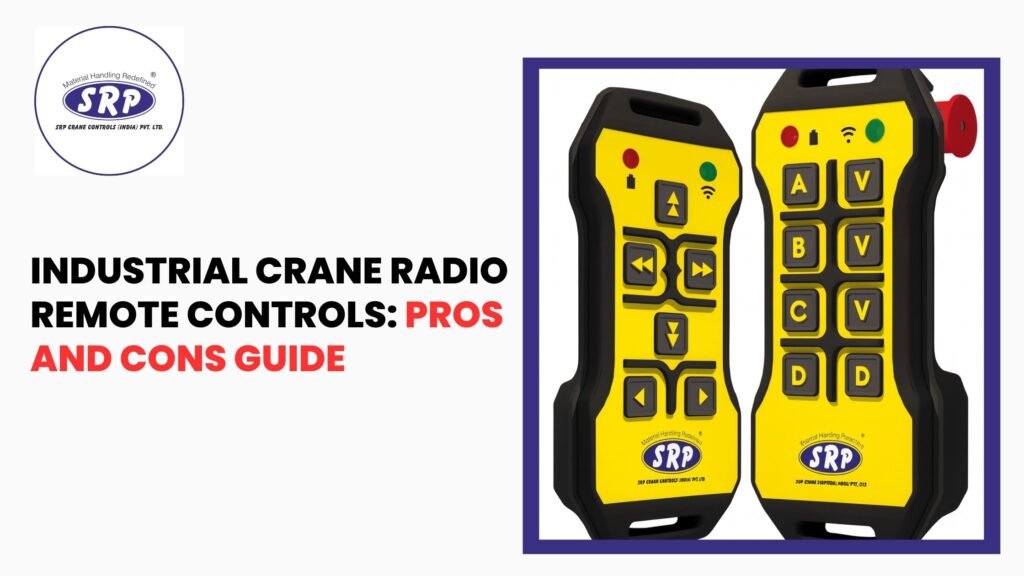
You’re evaluating radio remote controls for your crane fleet, but the supplier quotes are 60 to 80 percent higher than pendant replacements. Your maintenance team worries about battery management. Operations questions whether wireless will work reliably in your steel-heavy facility with metal structures blocking signals. These concerns are valid, but here’s what the cost comparison […]
Choosing the Best Crane Wireless Remote Control: 2026 Guide

Introduction Industrial buyers waste thousands on wireless remotes that fail within 18 months because they pick based on initial price and catalog specs instead of real-world durability. A ₹45,000 remote with generic RF modules and IP54 rating costs less upfront but breaks down every six months in dusty foundries, racking up ₹25,000 annually in replacements […]
Steel Mill Crane Remote Control: Transition to Automation
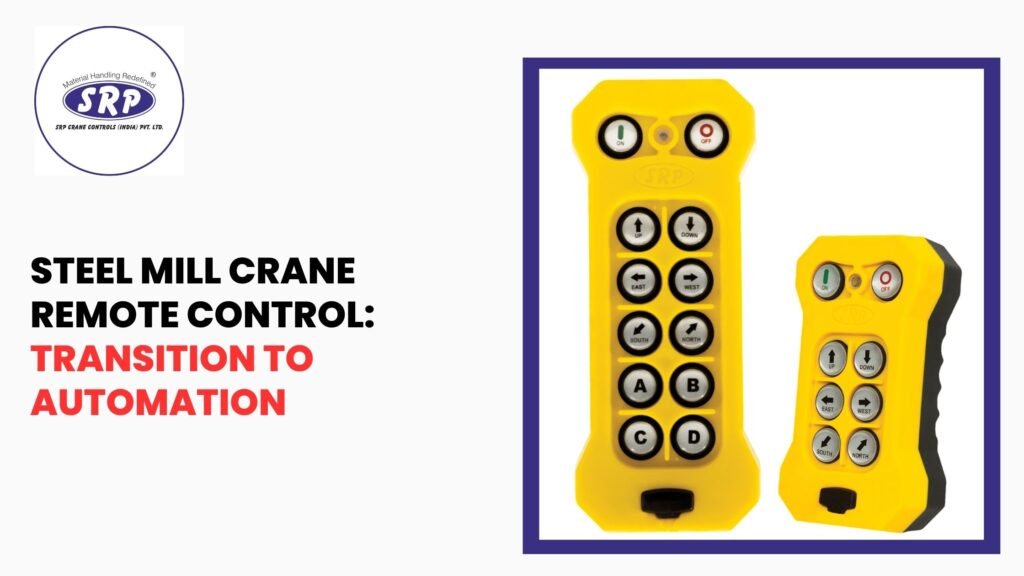
Introduction Steel mill crane operators work in the most punishing industrial environments—ambient temperatures exceeding 50°C, radiant heat from molten metal, toxic fumes, and constant exposure to dust and noise. Traditional pendant-controlled cranes force operators into these hazardous zones for every lift. The human cost shows in injury rates 3-4 times higher than general manufacturing, plus […]
Applications of Wireless Remote Control Technology for Crane
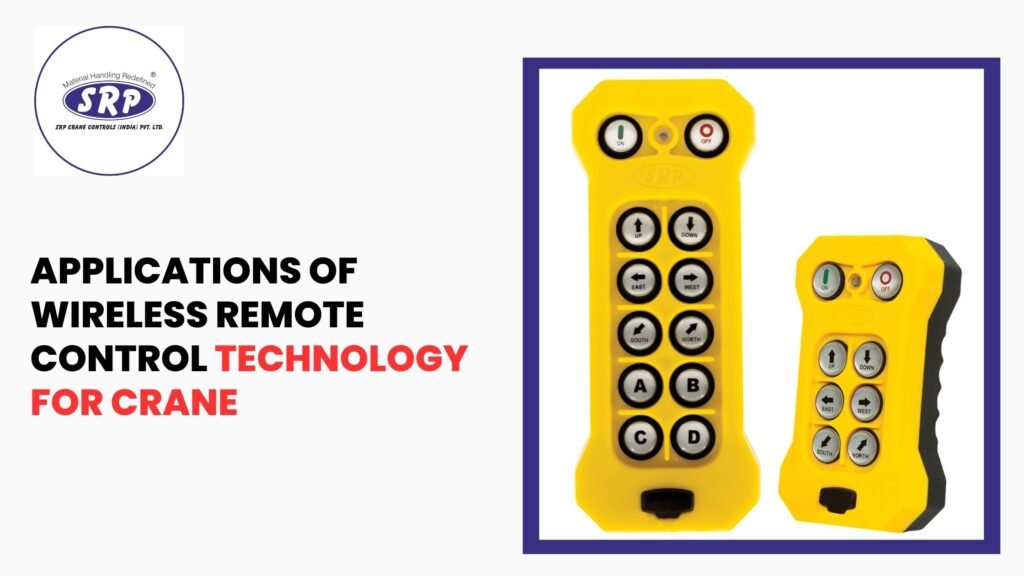
Introduction Your crane operator stands in a corner with obstructed views, tethered to a pendant cable. They can’t see the landing zone. Every blind lift relies on hand signals from spotters—a communication chain that breaks down in noisy facilities. Wireless remote controls eliminate this fundamental constraint. Operators position themselves anywhere that provides clear sightlines to […]
Crane Wireless Remote Controls: Boost Safety & Productivity
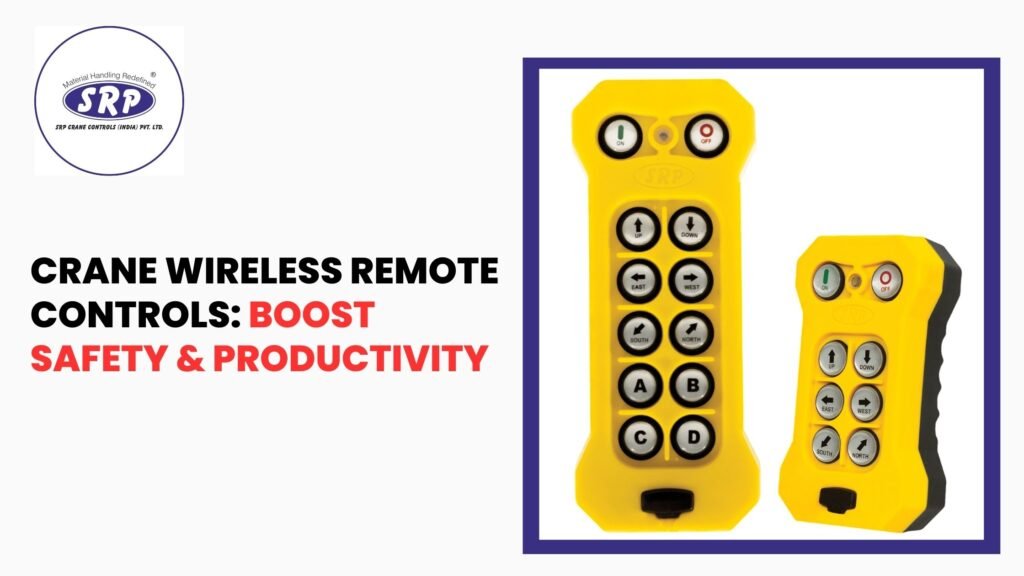
Your crane operator stands three meters from a 5-ton load, tethered by a pendant cable. He can’t see the corner clearance, so he signals a spotter on the floor. The spotter waves, the operator nudges the joystick, and the load swings six inches past the target. They reset and try again, burning three minutes on […]
Industrial Remote Control: Crane Hoist Controller Guide
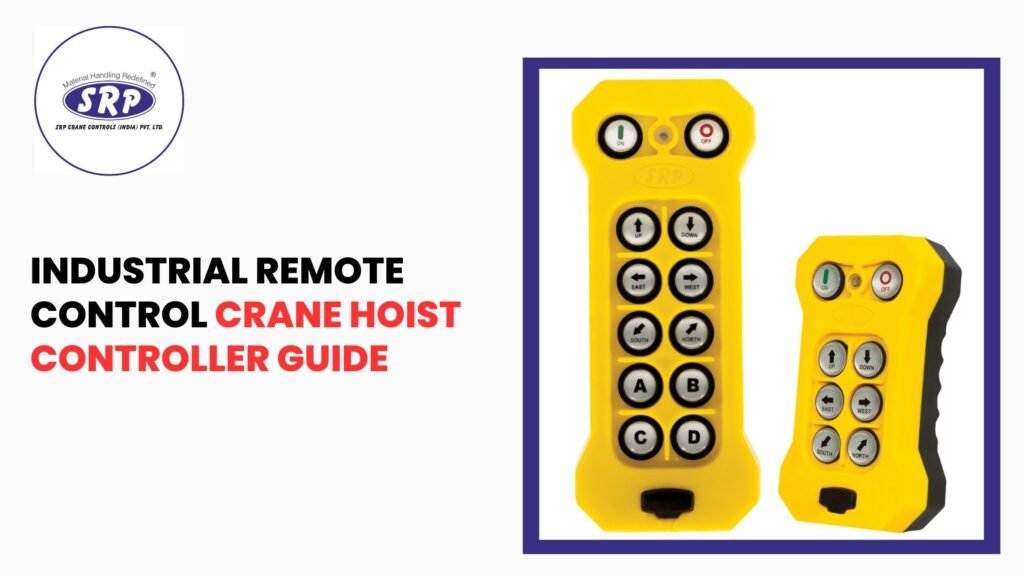
Introduction Factory operators still grip pendant controls that tether them two meters from moving loads, forcing them to strain their necks and guess landing positions from fixed angles. This proximity creates blind spots, neck injuries from chronic upward viewing, and reaction delays when loads swing unexpectedly. Studies from industrial safety organizations show pendant-controlled cranes account […]
DSL Busbar System: Powering Overhead Cranes Explained
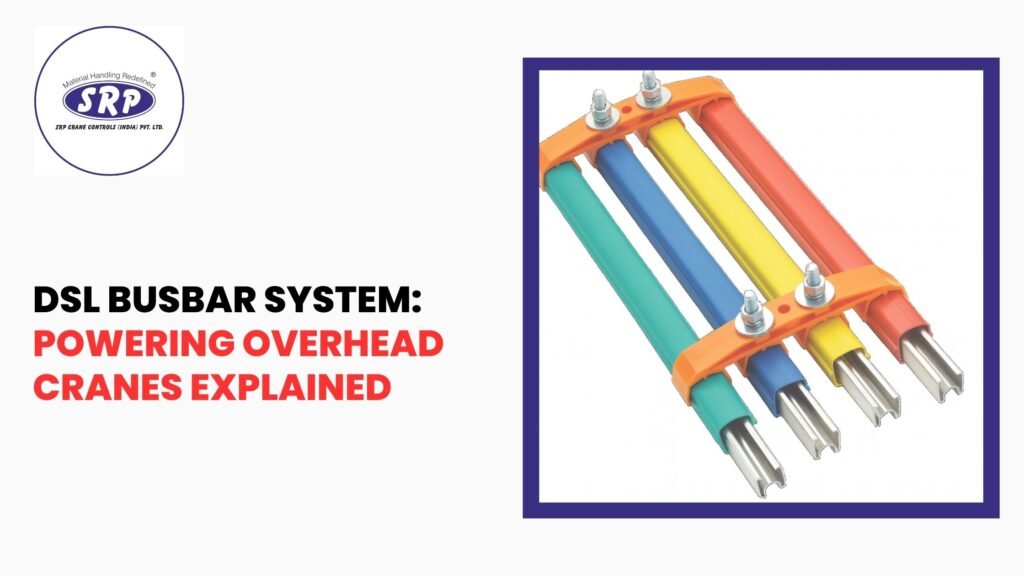
Introduction Cable-based crane electrification creates problems that compound over time. Festoon cables tangle, wear at flex points, and require quarterly maintenance. Cable carriers accumulate debris and bind during travel. Voltage drop across long runs reduces motor performance and triggers nuisance faults. These issues translate to 8-12% higher maintenance costs compared to rigid conductor systems. DSL […]
Top DSL Busbar System Supplier in Hyderabad
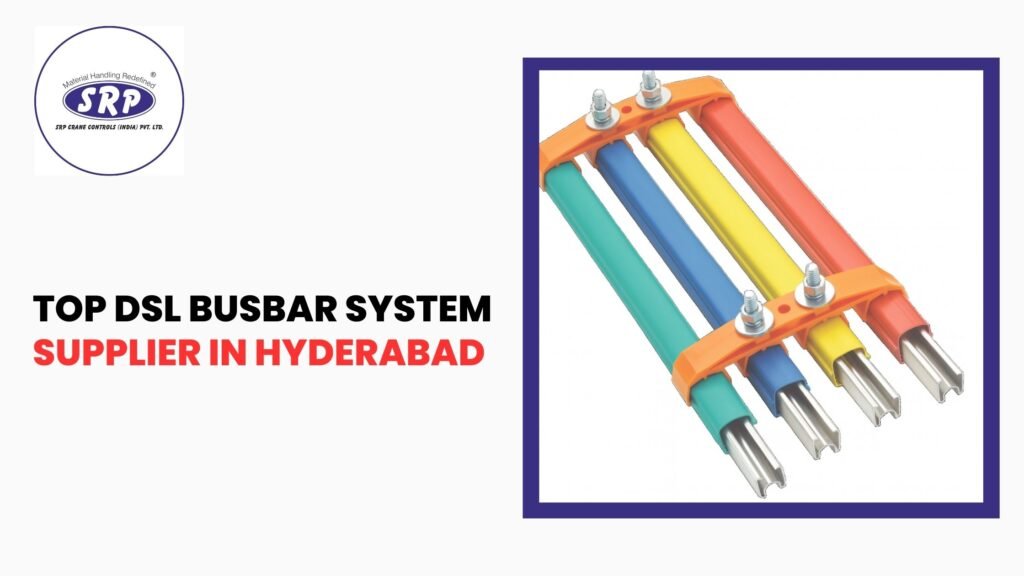
Introduction Your facility received a DSL busbar system from a local supplier with incorrect conductor bar ampacity and misaligned insulators, which allowed dust contamination through enclosure gaps within weeks. Hyderabad’s stringent industrial sectors, including pharmaceuticals, automotive, and IT, operate on zero-tolerance downtime. Budget suppliers often cause failures within 18-24 months by using standardized installations that […]