

Optimize Your Steel Plant Crane with DSL Busbar System Benefits

Introduction Your steel plant cranes operate in conditions that destroy cable carriers within 18 months. Rolling mill heat warps plastic housings. Metal dust clogs festoon trolleys. Every crane stoppage costs ₹2-3 lakhs per hour in lost production. DSL busbar systems eliminate these failures entirely. Steel plants using busbars report 98.7% crane uptime compared to 89-92% […]
Festoonless Cranes: Wireless Remotes End Cable Systems
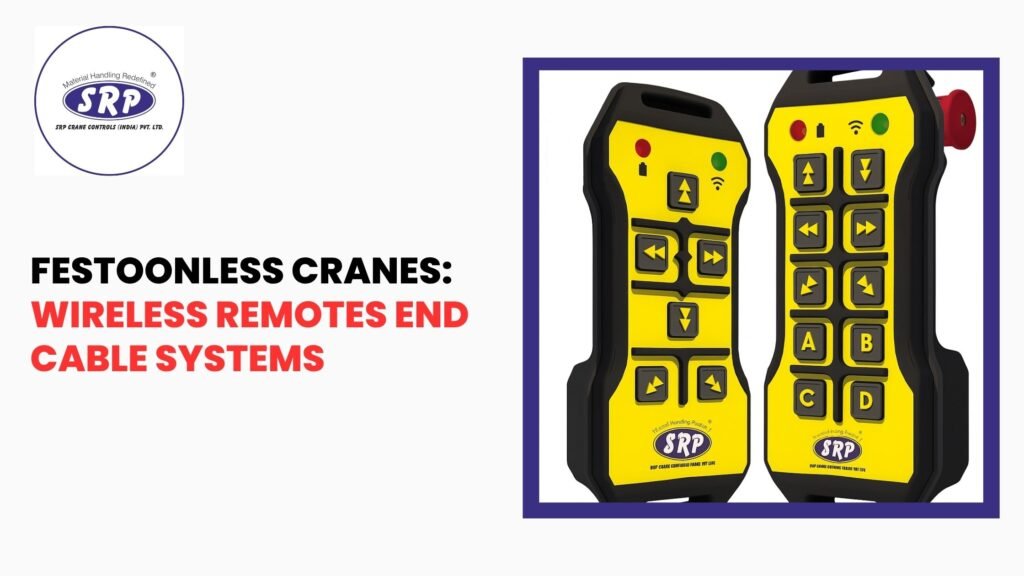
Introduction Your crane stops mid-operation because the festoon trolley derailed. Again. While your crew scrambles to restring cables, production halts and deadlines slip. Cable festoon systems fail predictably—trolleys wear out, cables fray, connectors corrode. Facilities spend thousands annually replacing worn components and fixing preventable failures. Festoonless cranes eliminate this entire problem by removing cables altogether. […]
Rotary Limit Switch in EOT Crane – SRP Crane Control
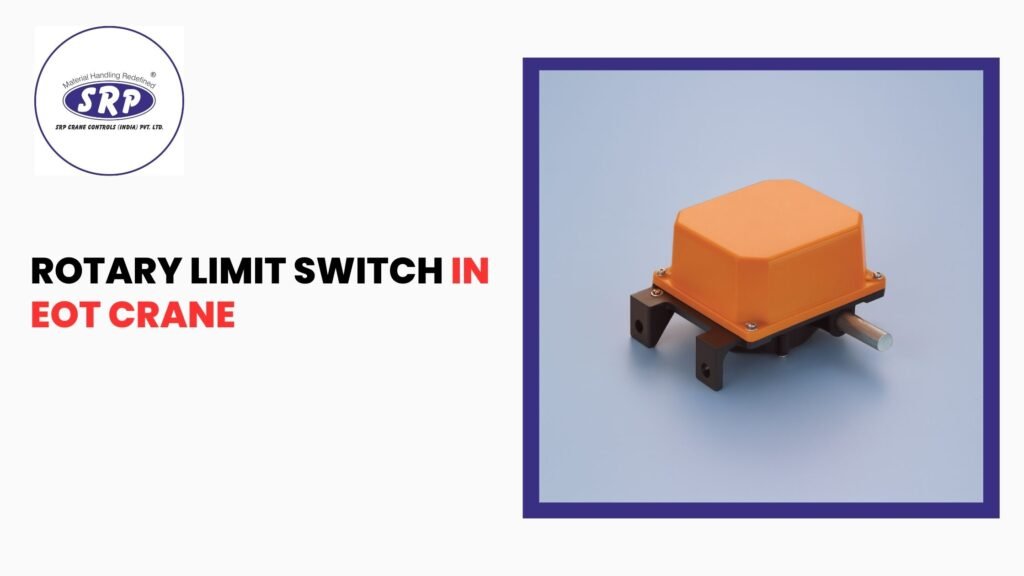
Rotary limit switches are precision devices attached to a crane’s gearbox or hoist system to stop motion at predefined positions. In EOT (electric overhead travelling) cranes, these switches translate high-speed movement into reliable, repeatable limits, preventing over-travel and protecting both operators and loads. SRP Crane Control offers rotary gear limit switches designed for demanding crane […]
Pendant Stations’ Evolution: Wired to Wireless Handling
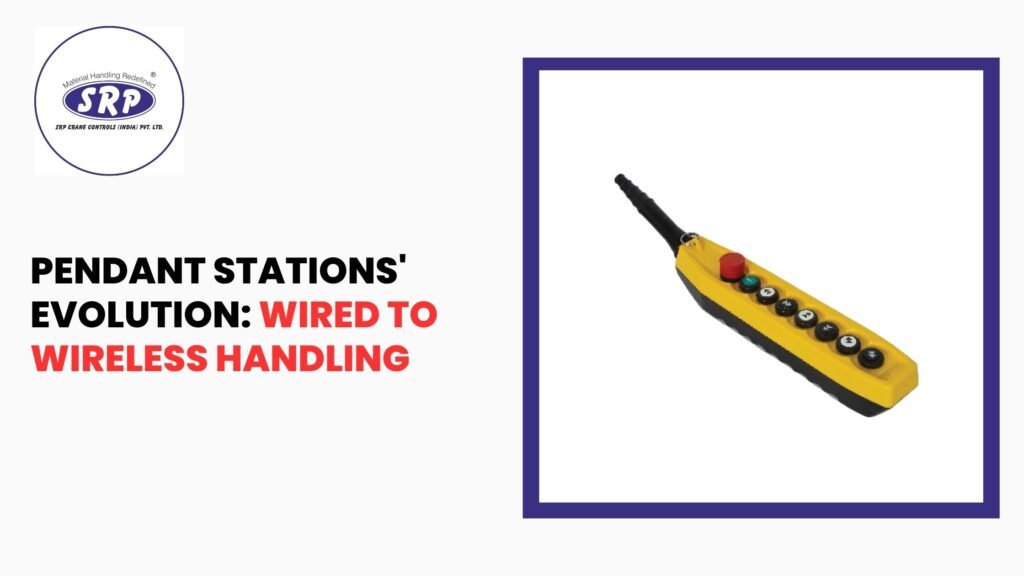
Wired pendant stations tether operators to fixed positions near loads, creating the conditions for 70% of crane accidents—most attributed to operator error stemming from restricted visibility, cable trip hazards, and forced proximity to danger zones. The pendant cable itself becomes a liability over time, with exposed wiring experiencing accelerated wear that increases repair frequency and […]
Choosing Your Crane Control: Pendant vs Wireless Remote
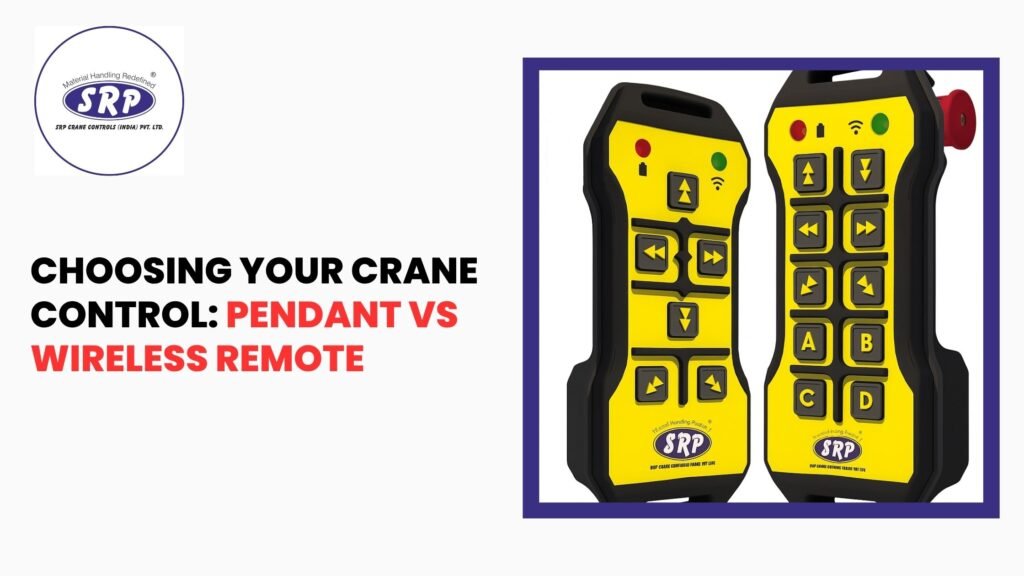
Introduction Every crane operator makes hundreds of control inputs per shift. The interface between human and machine—whether a wired pendant or wireless remote—determines visibility, safety, and throughput. Yet most facilities choose control systems based on initial cost rather than operational reality. Pendant cables cause 7% of personal injuries on crane sites through tripping hazards alone. […]
Guide to India’s Top 5 Festoon System Manufacturers & Specs
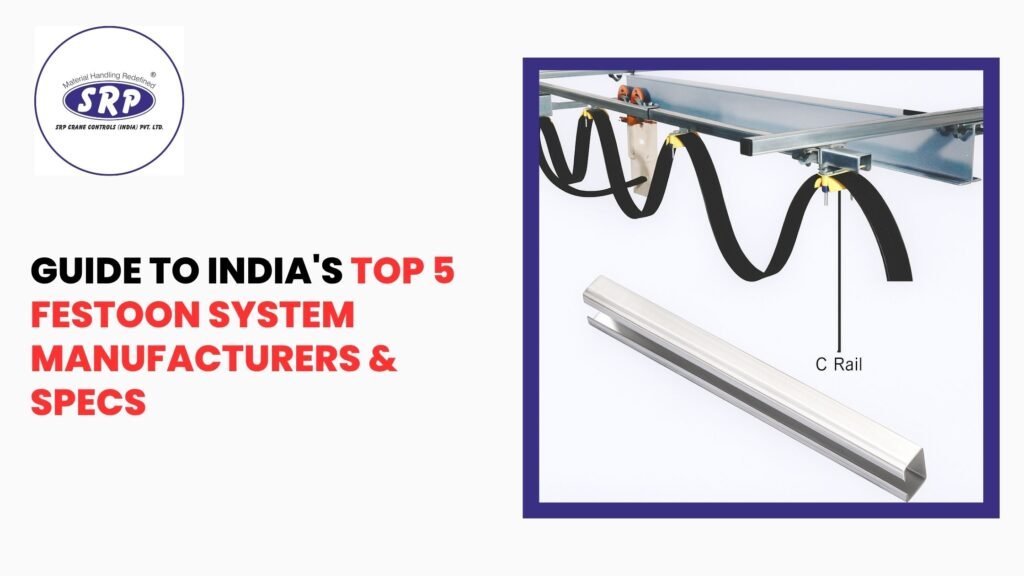
Introduction Most crane operators replace festoon systems every 3-5 years. That’s twice as often as they should. The problem isn’t the technology—it’s choosing the wrong manufacturer. India has dozens of festoon system suppliers, but only a handful engineer solutions that last beyond warranty periods. The difference shows up in cable abrasion rates, trolley derailments, and […]
Festoon System Operation: Overhead Cranes & Hoist Power Supply
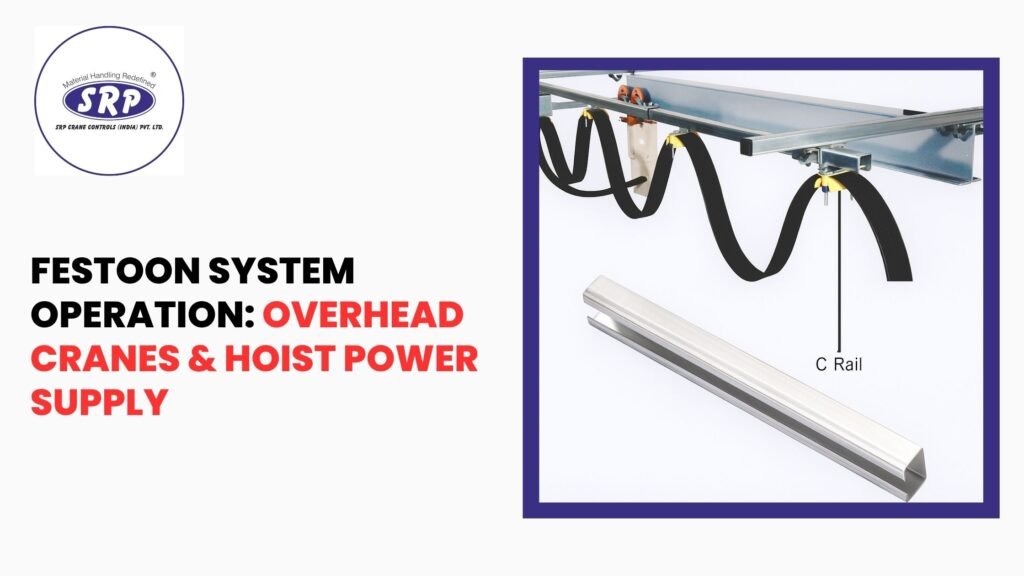
Power delivery failures cause 65% of crane cable malfunctions, with incorrect specification being the primary culprit. When cables twist, kink, or sag during crane travel, operations grind to a halt—costing facilities an average of $19,200 annually in maintenance labor alone for a 20-crane fleet, not counting replacement parts or productivity losses from downtime. Festoon systems […]
Crane Electrification: DSL and Festoon Busbar Systems Explained
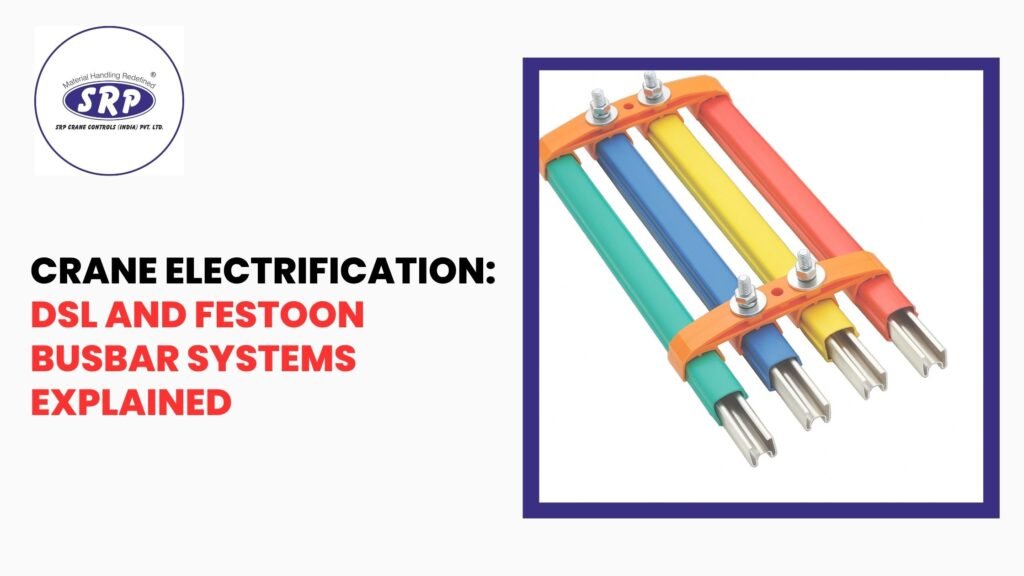
Introduction Industrial crane operations face a persistent problem: downtime caused by power delivery failures. Whether it’s a tangled cable, a worn collector brush, or voltage drop across long travel distances, every minute of lost connectivity means lost productivity and revenue. The choice between DSL busbar systems and festoon cable systems determines whether your crane runs […]
The DSL Busbar System for Cranes: What It Is and Why You Need It
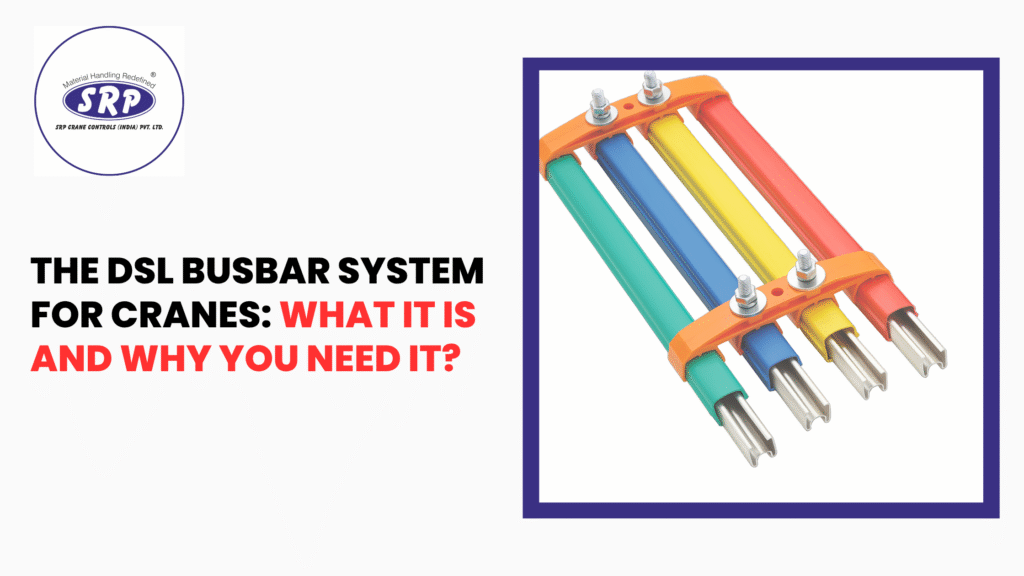
Introduction Your crane just stopped mid-lift. Production halts. Every minute costs thousands. The culprit? Power delivery failure. DSL busbar systems power over 60% of modern industrial cranes worldwide, yet most operators don’t understand how they work or why they fail. While cable carriers tangle, fray, and burn out every few years, DSL busbars run quietly […]
Electric vs. Manual Crane Controls: Remote Systems Guide
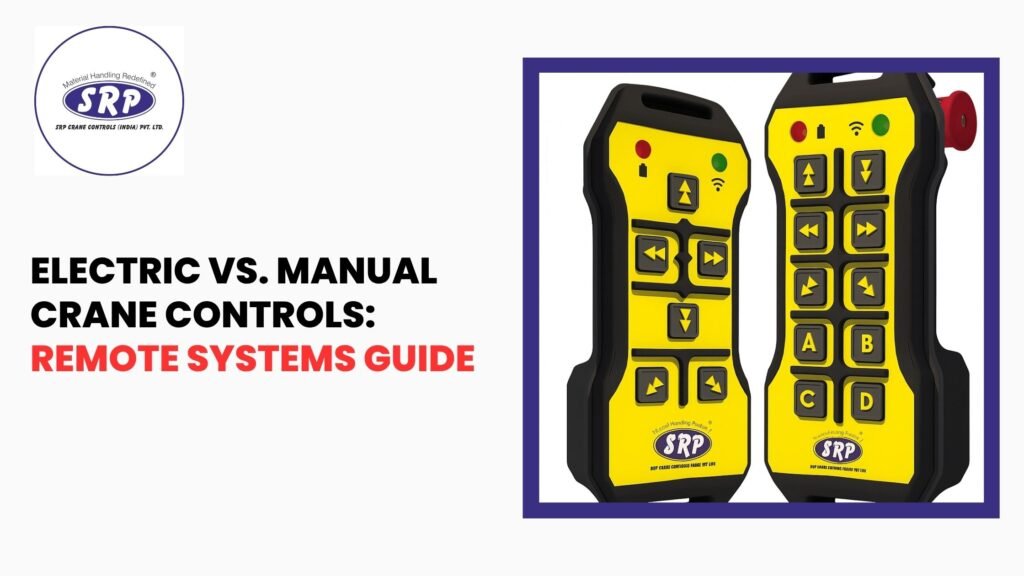
Choosing between manual and electric crane control systems affects more than just lifting speed—it determines operator safety, long-term operating costs, and production capacity. Manual controls require continuous physical effort that contributes to the 33% of workplace injuries classified as ergonomic strain, with fatigue-related productivity losses costing employers $1,200 to $3,100 per employee annually. Electric systems […]