

Industrial Use Cases of Radio Remote Controls
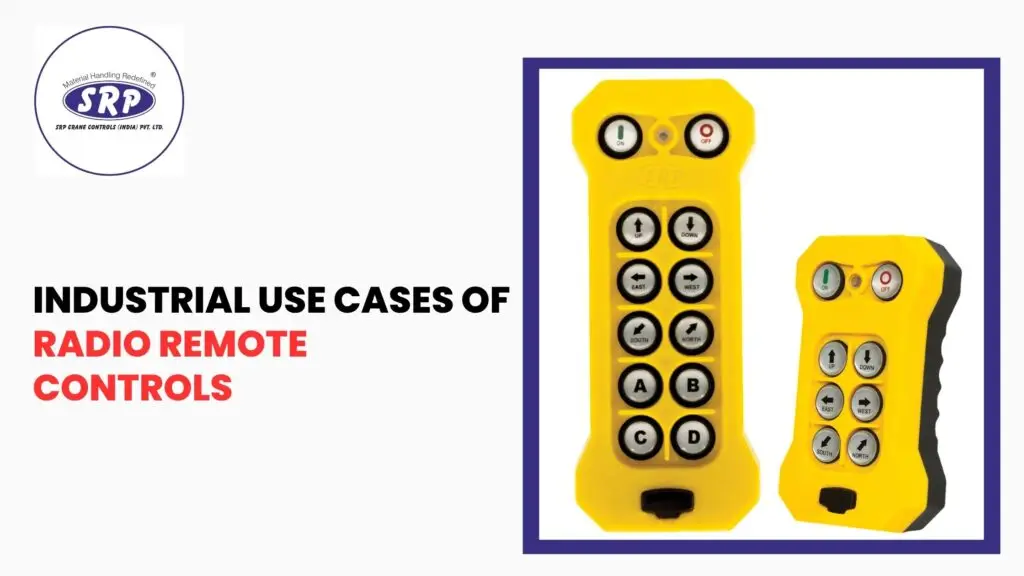
Most industrial accidents happen within arm’s reach. A crane operator standing beneath a moving load. A mining equipment driver seated inside a machine cutting through unstable ground. A factory worker reaching across a running conveyor. Proximity to the hazard is the single most controllable accident variable — and most operations still do very little about […]
How Wireless Controls Increase Productivity
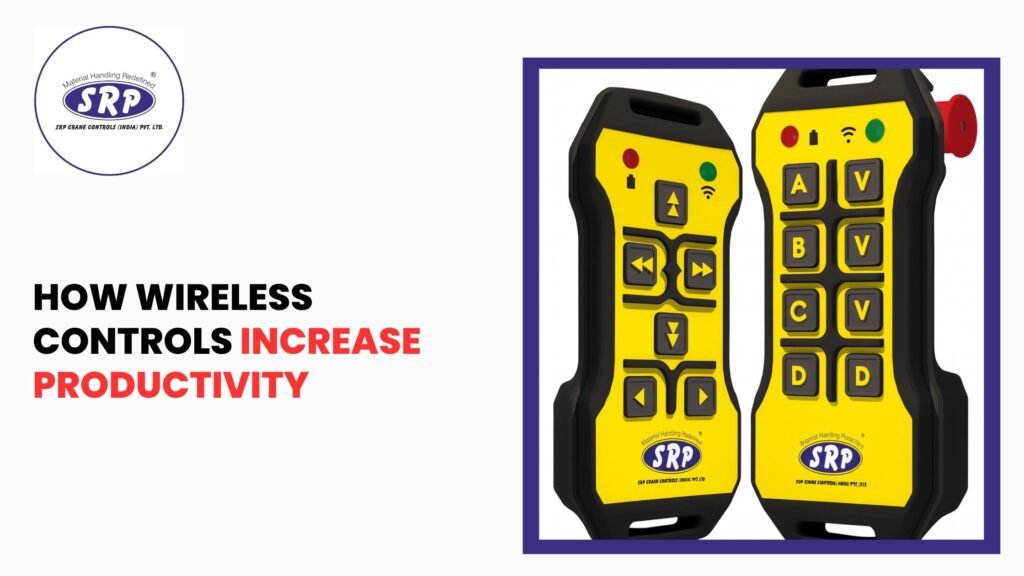
Most overhead crane facilities run slower than they should — not because the crane is underpowered, but because the operator is in the wrong place. A pendant-controlled crane keeps the operator tethered to a fixed cable, walking alongside the load, watching it from ground level, unable to move to the angle that gives a clear […]
Benefits of Multi-Speed Crane Remote Controls
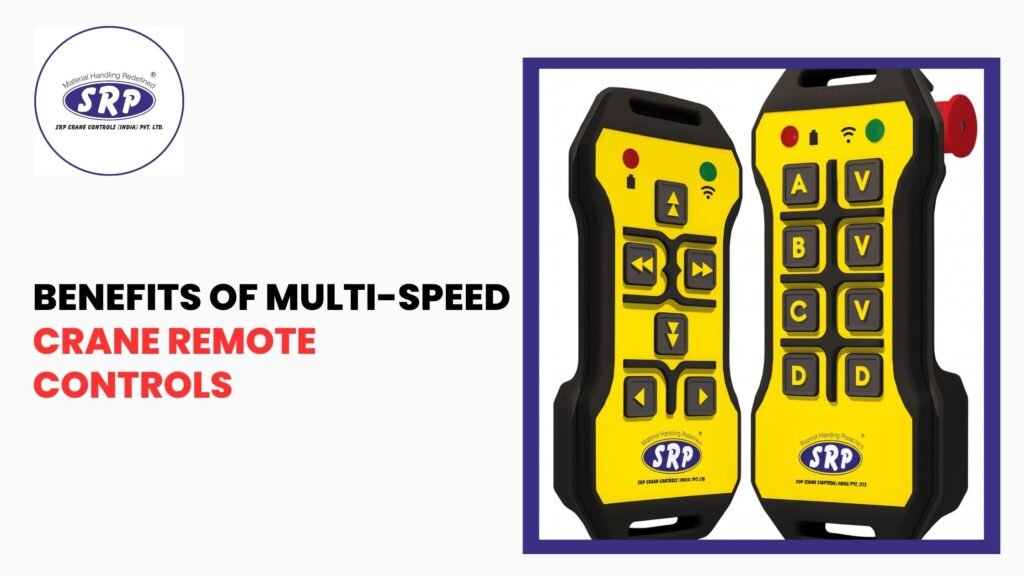
Most crane operators have run into this situation: a heavy load needs to move fast across an open bay, then slow to a near-stop for precise placement in a tight spot. A single-speed control cannot do both well. It either rushes the placement or slows the entire operation down. Multi-speed crane remote controls solve this […]
Top Features to Look in Crane Remote Control
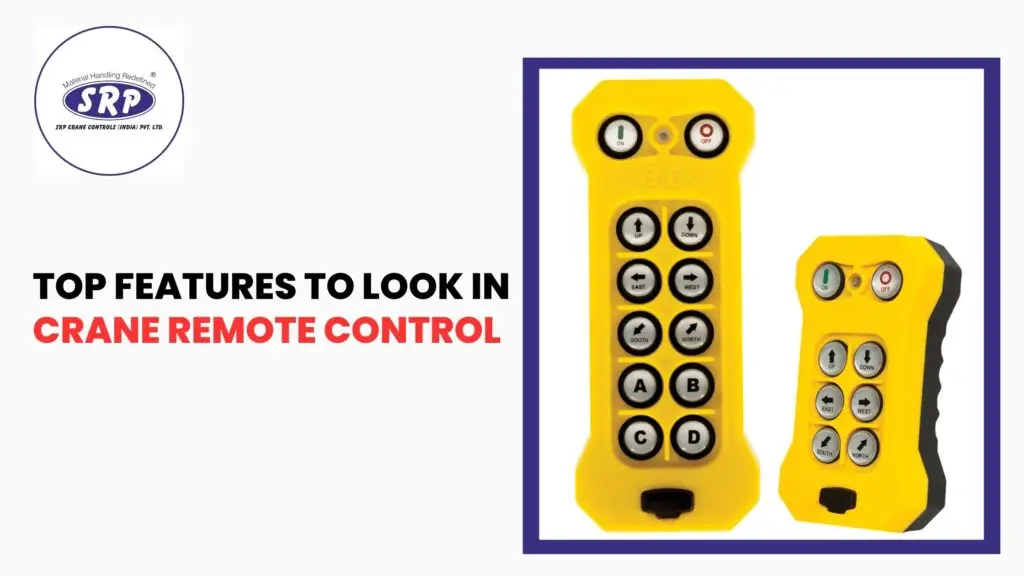
Crane operators make hundreds of micro-decisions every shift. A remote control that lags, slips from a sweaty grip, or cuts out mid-lift does not just slow the job down — it turns a manageable task into a hazard. Yet most buyers still select remote controls on price alone, only to face costly downtime, retraining, and […]
Applications of Wireless Radio Remote in Industry
Every year, tens of thousands of industrial accidents happen within arm’s reach of running machinery. Not because operators are careless — but because the design of traditional wired controls forces them to stand in exactly the wrong place at exactly the wrong time. A crane operator tethered to a pendant must stand beneath a moving […]
Safety Features in Wireless Crane Remote Systems
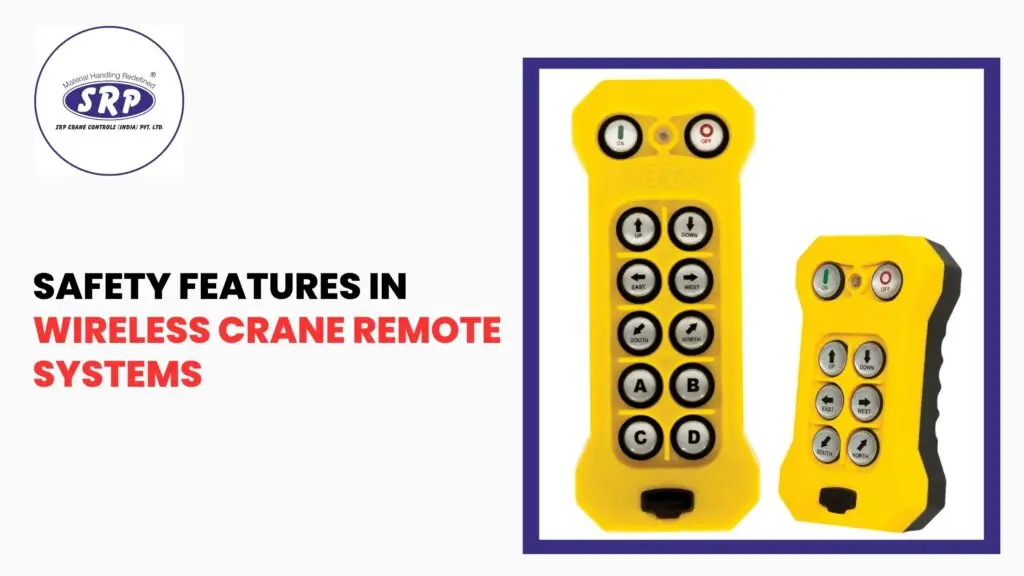
A load drops. A pendant cable snags an operator’s leg. A crane moves when it shouldn’t. These are not hypothetical scenarios — they are documented incidents tied directly to inadequate crane control systems. If your facility is still running pendant-controlled overhead cranes, you are managing risk with older tools that physically keep operators inside hazardous […]
Benefits of Wireless Remote Control for Cranes

Introduction An operator stands 3 meters from a 15-ton suspended load, pendant cable in hand, neck craned upward, guessing at placement. The landing zone is 20 meters away and partially blocked by structural columns. This is standard practice in thousands of Indian facilities running pendant-controlled cranes. Pendant cables don’t just restrict movement—they lock operators into […]
DSL Busbar vs Cable Festoon System – Complete Comparison

Your crane power system is failing quietly. Festoon cables sag between trolleys and develop micro-cracks from repeated flexing. The deterioration is gradual, so it doesn’t trigger an immediate shutdown—it shows up as intermittent tripping, accelerated cable replacement cycles every 16 to 18 months, and unexplained voltage dips that affect hoist motor torque. Facilities often attribute […]
Working Principle of Radio Remote Controls

Introduction Most crane operators use radio remotes daily without understanding what happens between pressing a button and the crane moving. This knowledge gap creates a specific problem: when the system misbehaves — delayed commands, dropped signals, or erratic motion — maintenance teams replace the most expensive component first instead of diagnosing the actual fault. A […]
What is a Wireless Crane Control Remote?

Introduction Most industrial facilities run cranes every day without fully understanding the control technology making those lifts possible. When a wireless remote behaves erratically — delayed response, unexpected stops, range loss — operators and maintenance teams can’t diagnose the problem because they don’t understand how the system actually works. This knowledge gap leads to wrong […]