

Radio Remote Range Optimization Techniques
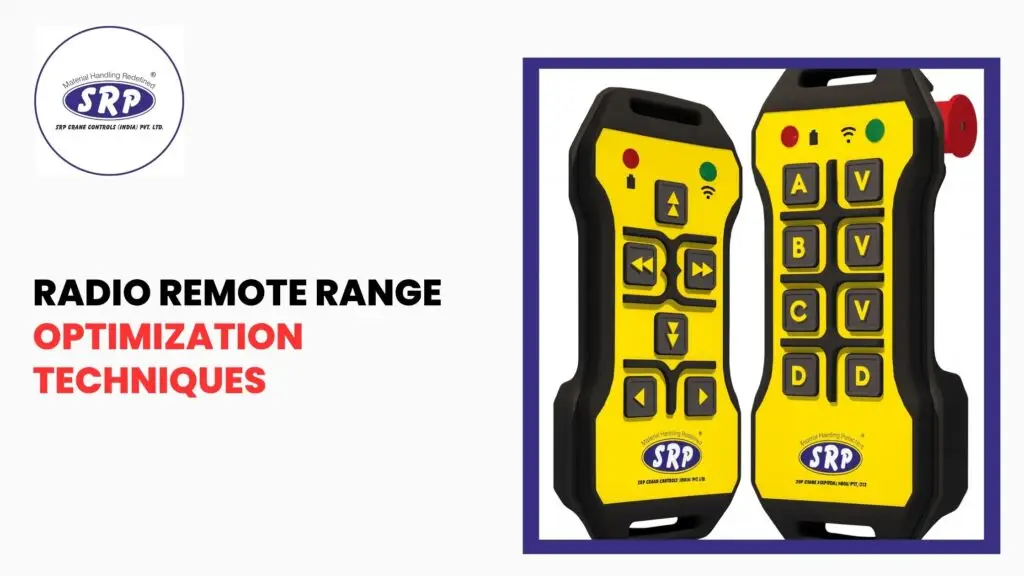
A crane operator standing 80 meters from the receiver presses the joystick. Nothing happens. The spec sheet said 100 meters. The gap between what a spec sheet promises and what a shop floor delivers is where most range complaints come from, and it has almost nothing to do with faulty equipment. Range numbers on a […]
Radio Remote Control in Material Handling
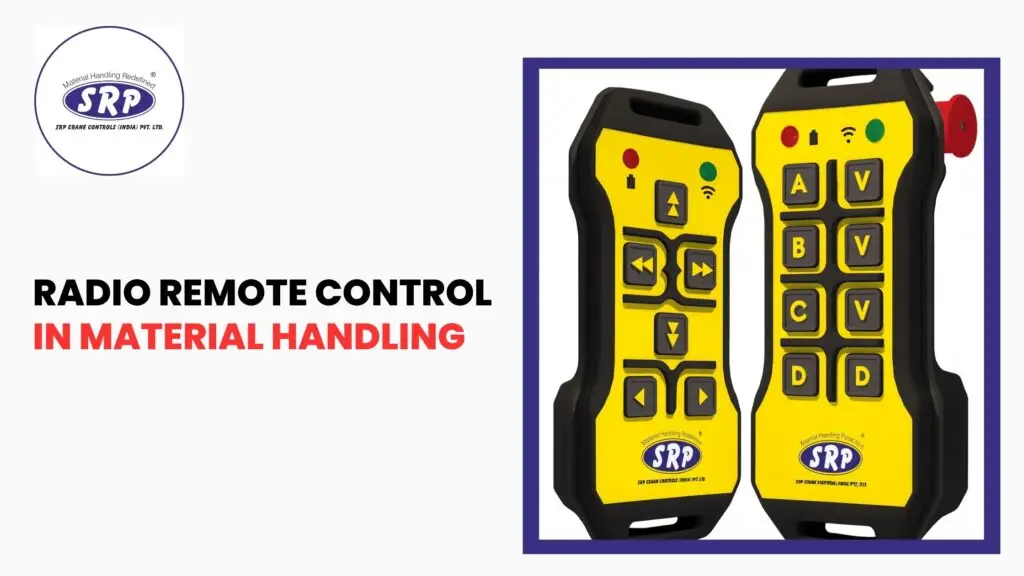
Most material handling operations still lose time and money to a problem nobody names directly: operators tethered to machines by cable, forced into blind spots, working slower than the equipment allows. A pendant cord limits where a person can stand. A cramped cab limits what they can see. Radio remote control removes that constraint entirely, […]
Energy Efficiency Benefits of DSL Busbars

Most facilities never measure how much power their crane electrification system wastes. Cable-based delivery loses energy as heat, as voltage drop over distance, and as extra load on crane motors dragging trailing wires around all day. None of that shows up as a single line item — it just shows up as a higher power […]
Maintenance of Wireless Radio Remote Systems
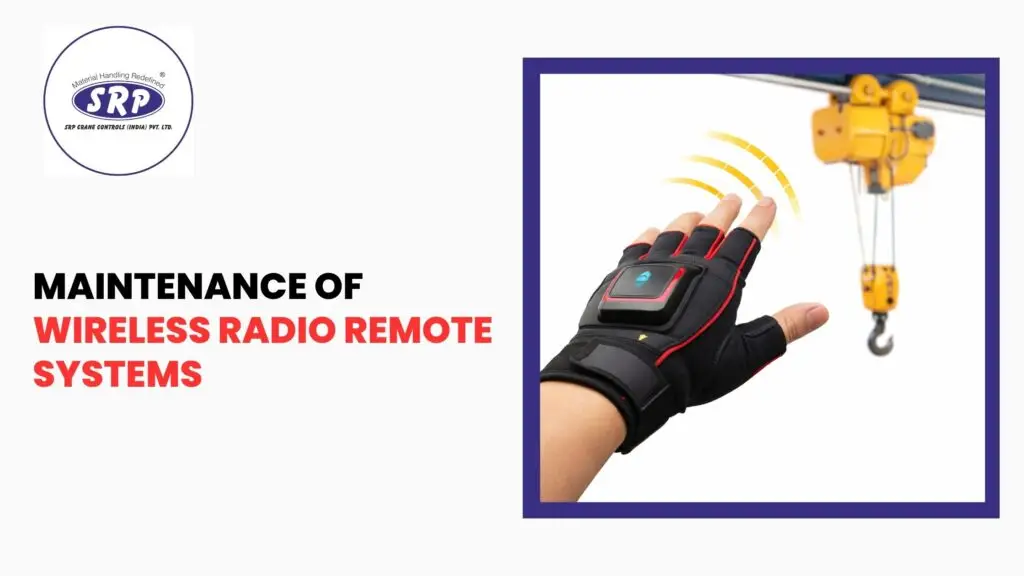
Most crane downtime doesn’t come from the crane. It comes from a transmitter that won’t respond, a receiver that’s stopped talking to it, or a battery that dies mid-lift. These are small components carrying a big responsibility, and they get looked after far less than the machine they control. That’s the pattern we see across […]
Impact of Weather on DSL Busbar Performance
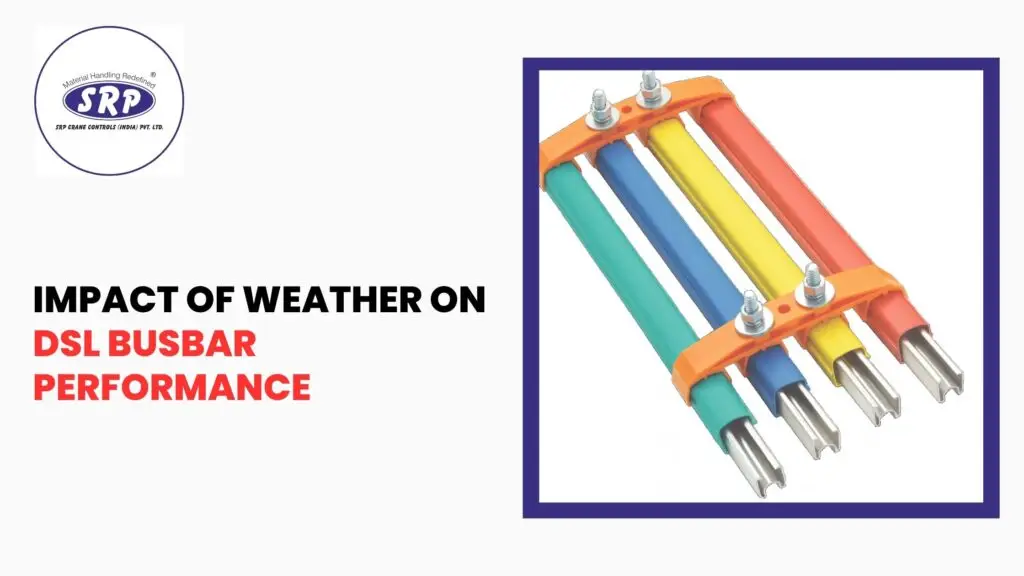
Weather doesn’t announce itself before it damages a crane power system. It works quietly — a few degrees of heat here, a trace of coastal salt there — until one day a collector brush arcs, a control panel resets on its own, or a crane simply stops mid-lift. Most facilities plan for load capacity and […]
Choosing the Right DSL Busbar for Your Crane

A crane doesn’t stop working because the motor gives up. It stops because power never made it to the motor in the first place. A worn collector shoe, a cracked insulator, a busbar rated for the wrong current — any one of these can take down a production line that has nothing wrong with its […]
Applications of DSL Busbar Systems in Industries

Cable failure doesn’t announce itself. A trailing cable frays quietly inside its carrier, a connector loosens under vibration, and then a crane stops mid-lift on a Tuesday afternoon. Industrial facilities routinely lose 5–8% of operating time to power delivery failures, and most of that traces back to cable and festoon systems straining under loads they […]
Remote Control Systems for EOT Cranes
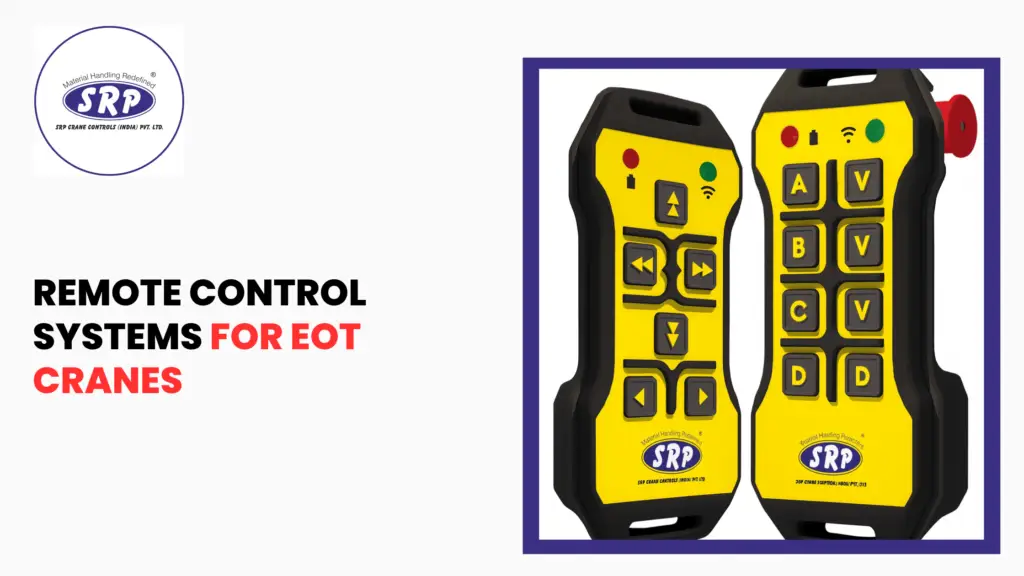
Most overhead crane accidents don’t happen because of bad equipment. They happen because an operator was standing too close to a load, or couldn’t see around a stack of steel coils, or was stuck in a cabin forty feet up with a blind spot the size of a truck. A pendant control on a cable […]
Cost Benefits of Wireless Crane Remote Systems
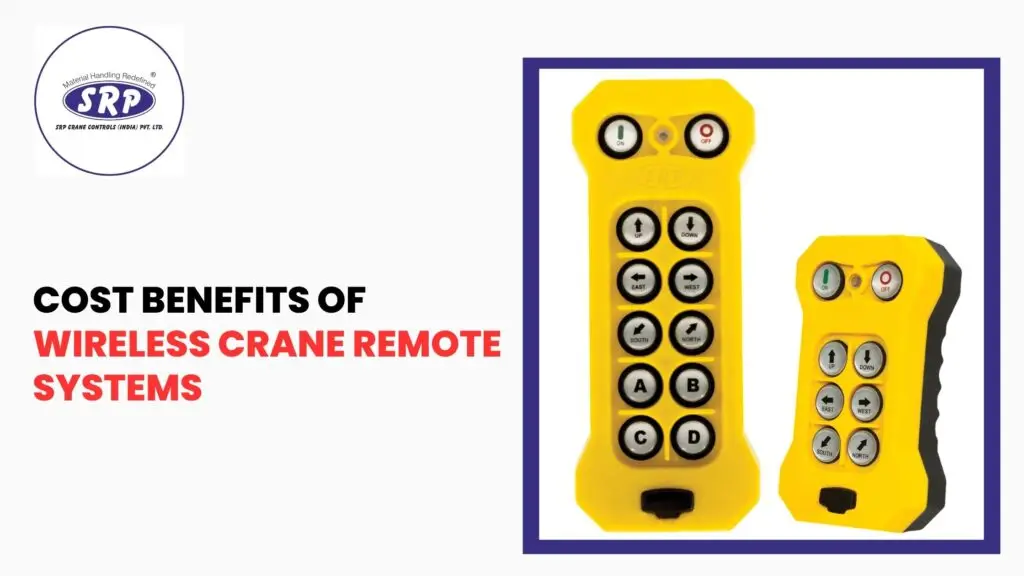
Pendant cables fail. They snag on structural steel, fray at the connector, and pull operators into positions they shouldn’t be in. When a pendant goes down mid-shift, it doesn’t just stop that crane — it can hold up an entire production line. Replacement and rewiring take hours. In high-throughput facilities, those hours carry serious financial […]
Wireless Remote Systems in Smart Factories
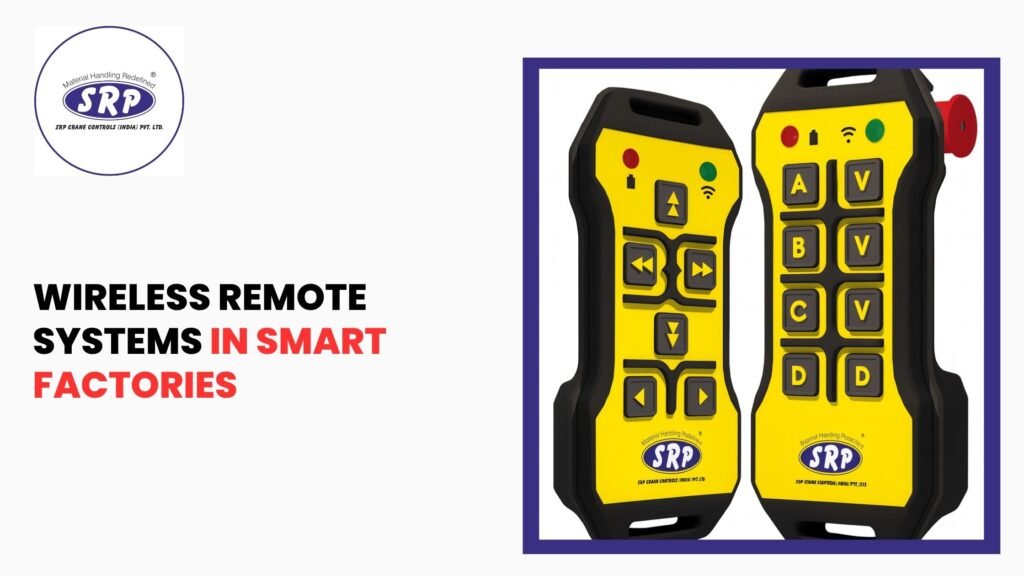
Most factory floors still run on a contradiction: increasingly automated machines controlled by outdated, cable-dependent interfaces. Pendant stations tie operators to fixed points, put them inside load zones, and generate no data. When a weld press or an overhead crane fails mid-cycle, there is no diagnostic trail, no remote visibility, and no way to respond […]