

Top Wireless Radio Remote Supplier in Maharashtra
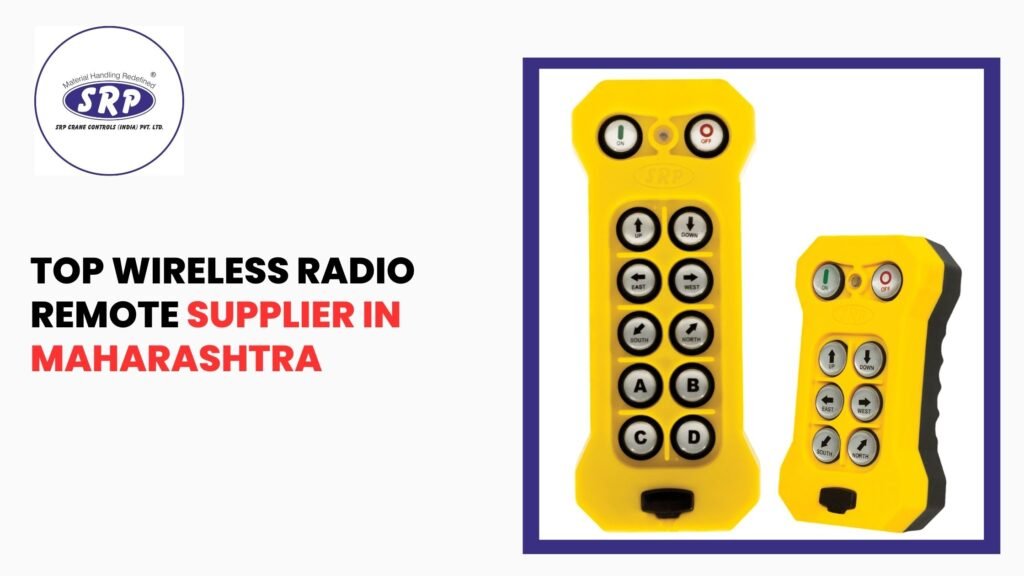
Introduction Maharashtra operates over 35% of India’s industrial cranes, yet 60% of these facilities still use pendant controls that restrict operator mobility and create safety risks. The shift to wireless radio remote controls eliminates cable trip hazards and increases productivity by 20-30%, but choosing the wrong supplier creates problems that only appear after installation—signal interference […]
Efficient DSL Busbar Systems for Crane Electrification
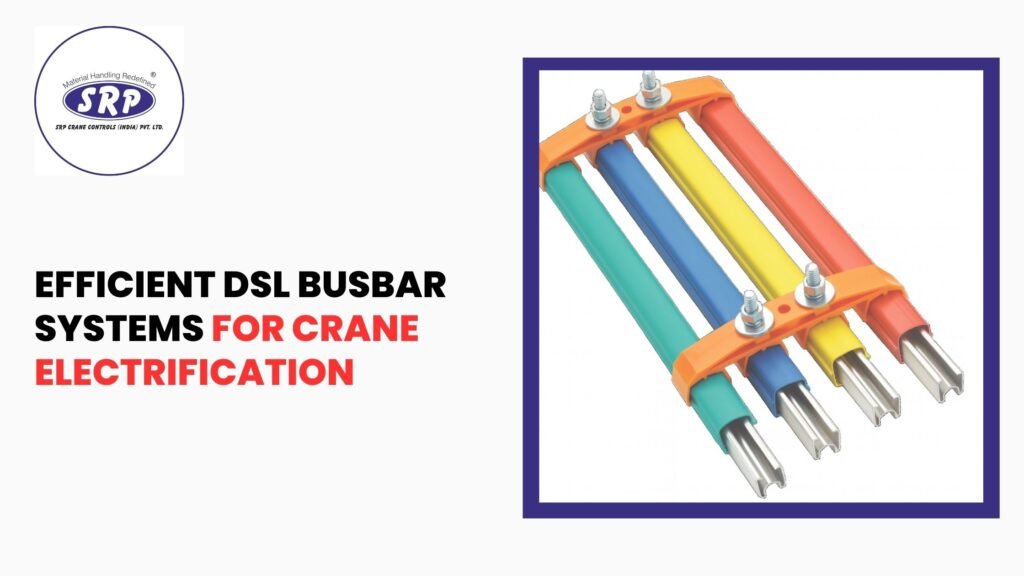
Your crane operators deal with trailing cables that snag on floor equipment, create trip hazards, and need replacement every 18 to 24 months. Or festoon systems that work well for 60 meters but fail beyond that distance due to cable weight and trolley wear. Each cable failure means emergency repairs, production delays, and escalating maintenance […]
Industrial Wireless Crane Monitoring & Remote Safety System
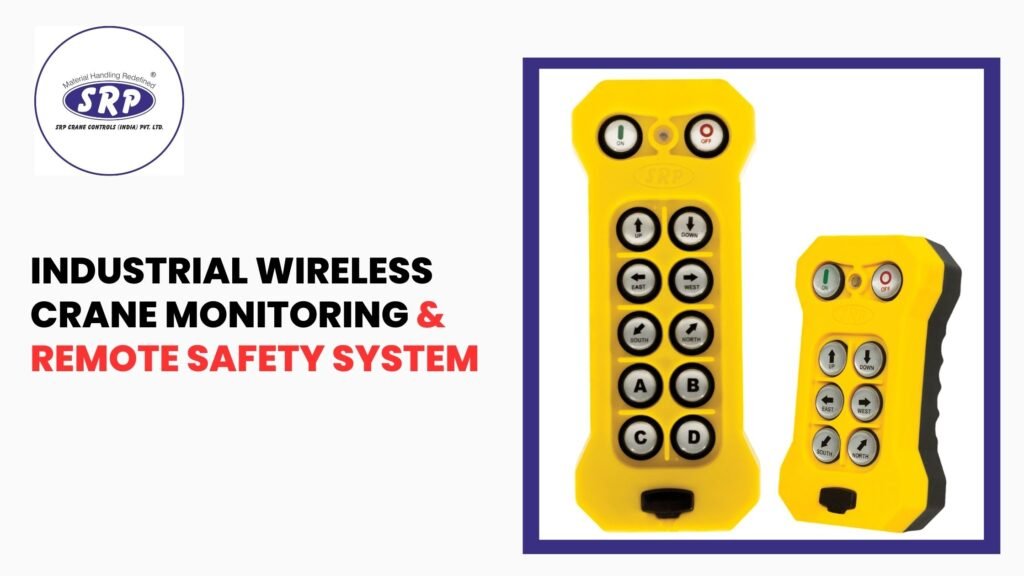
Your maintenance team discovers a motor overheating only after it seizes mid-lift. Or a brake air gap widens beyond safe limits over six weeks, unnoticed until the crane fails an annual inspection. Or rope wear reaches a critical stage while daily visual checks miss the internal strand damage. Manual inspection can’t catch these failures early […]
Seamless Crane Operation: Integrated DSL, Festoon & Pendant Systems
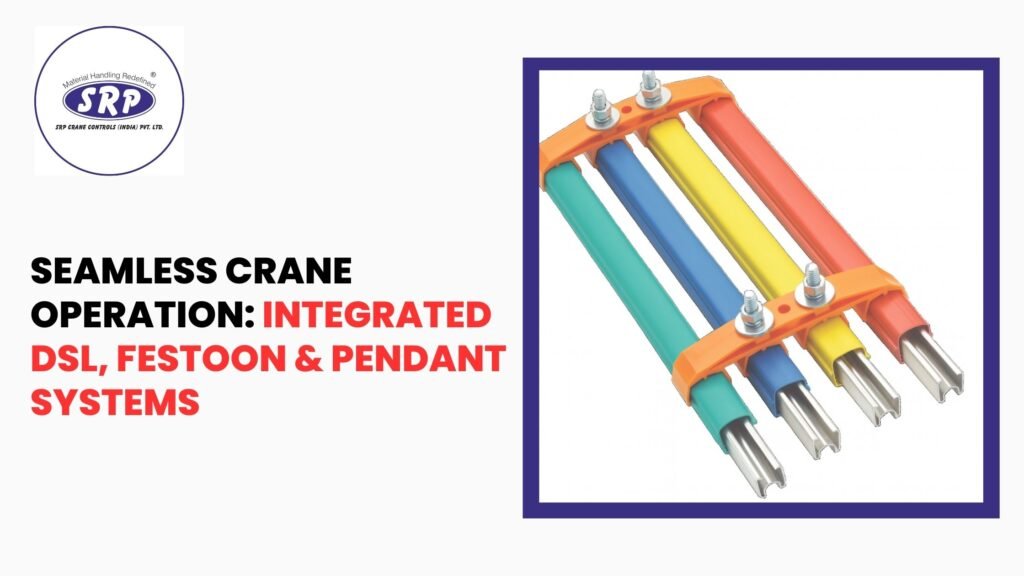
Your crane stops mid-lift because a festoon cable snagged. Or the DSL collector shoe wore through overnight. Or the pendant control lost connection during a critical transfer. Each failure costs you hours of downtime, emergency repairs, and missed production targets. Here’s what most facility managers don’t realize: 68% of crane electrical failures stem from poor […]
Innovative Wireless Hand Motion Crane Control for Safety & Precision
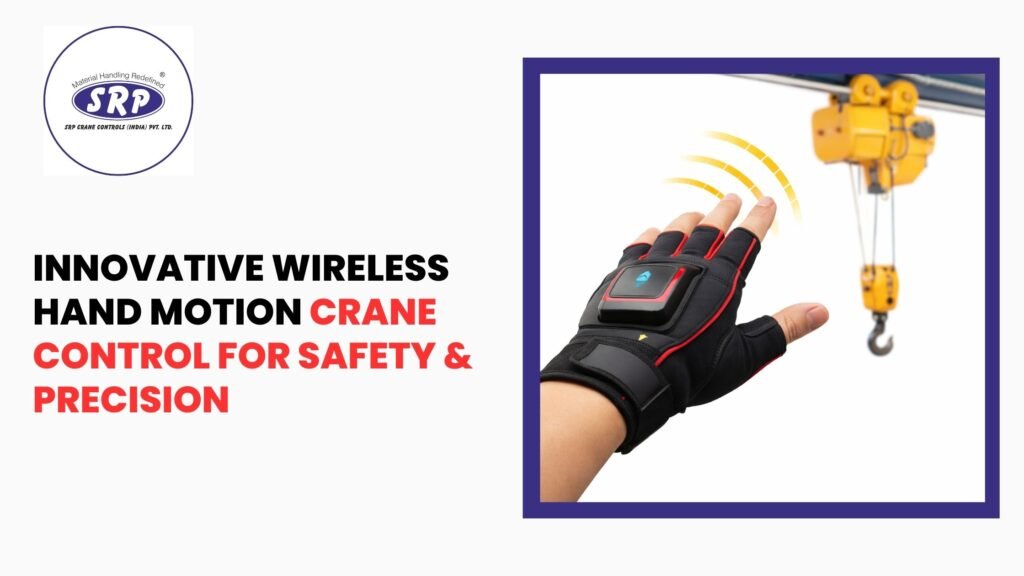
Your crane operator can’t see the load corner from the pendant station. He signals to a spotter on the floor, who relays instructions by shouting over machinery noise. The load swings two inches too far left. Now you’re resetting the lift, burning 15 minutes and operator focus. Hand motion wireless controls eliminate this chain of […]
Optimize Cranes: Cost-Benefit Analysis of DSL, Festoon, & Wireless Systems
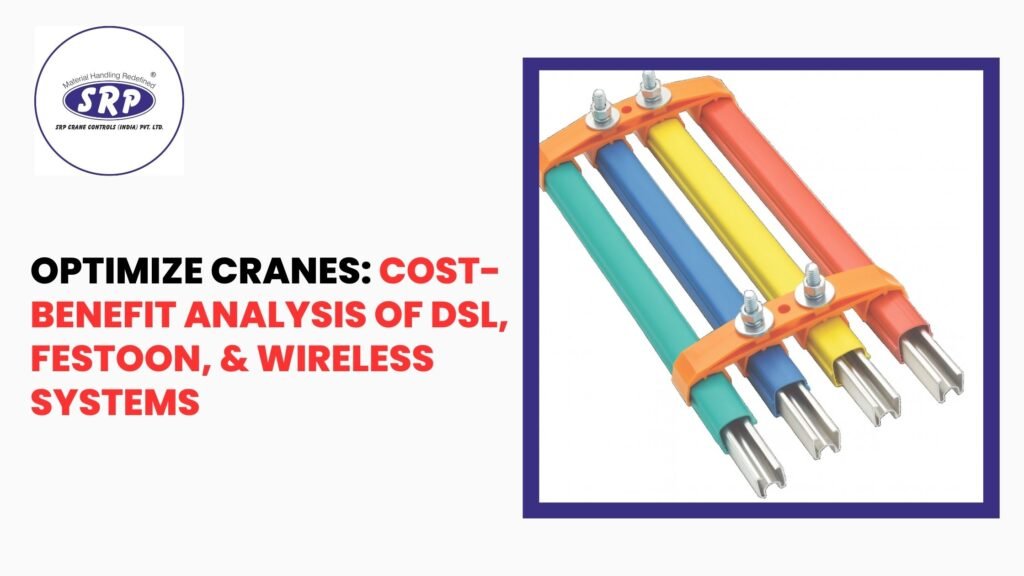
Introduction Most manufacturing plants overspend on crane power systems because they pick based on initial price instead of lifetime cost. A festoon system might cost ₹80,000 less upfront than DSL busbars, but cable replacements every 18 months can double that expense within three years. Add labor for repairs, production stops during maintenance, and safety incidents […]
DSL Busbar, Festoon & Pendant Station Maintenance Checklist
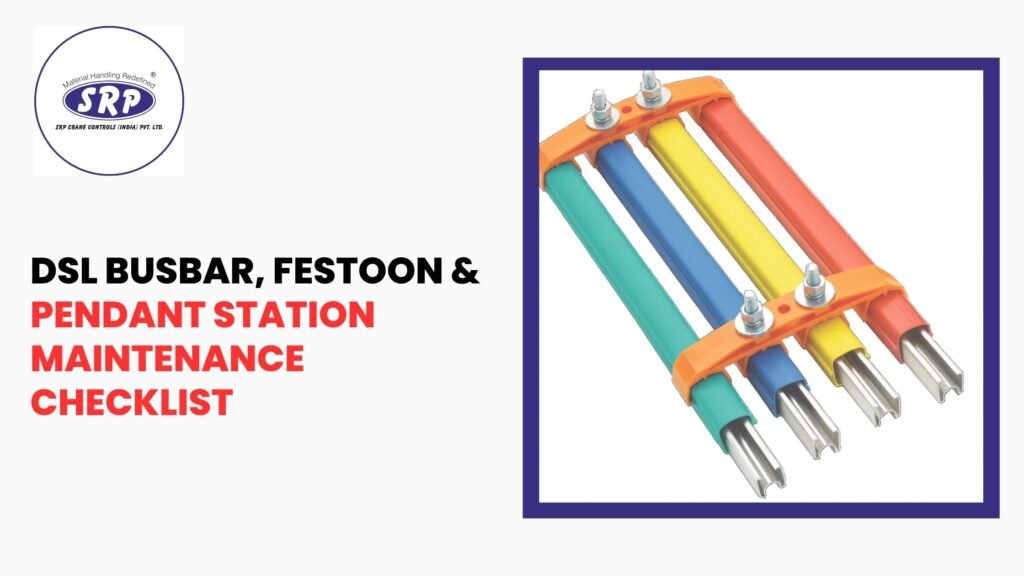
Introduction Crane electrification failures cause 23% of unplanned downtime in material handling facilities. These failures don’t announce themselves—they develop gradually through ignored wear patterns, skipped inspections, and reactive maintenance that waits for breakdowns instead of preventing them. A worn busbar brush creates intermittent power losses. A derailed festoon trolley damages cables. A corroded pendant button […]
Overhead Crane Wireless Remote Upgrade: The Complete Retrofit Guide
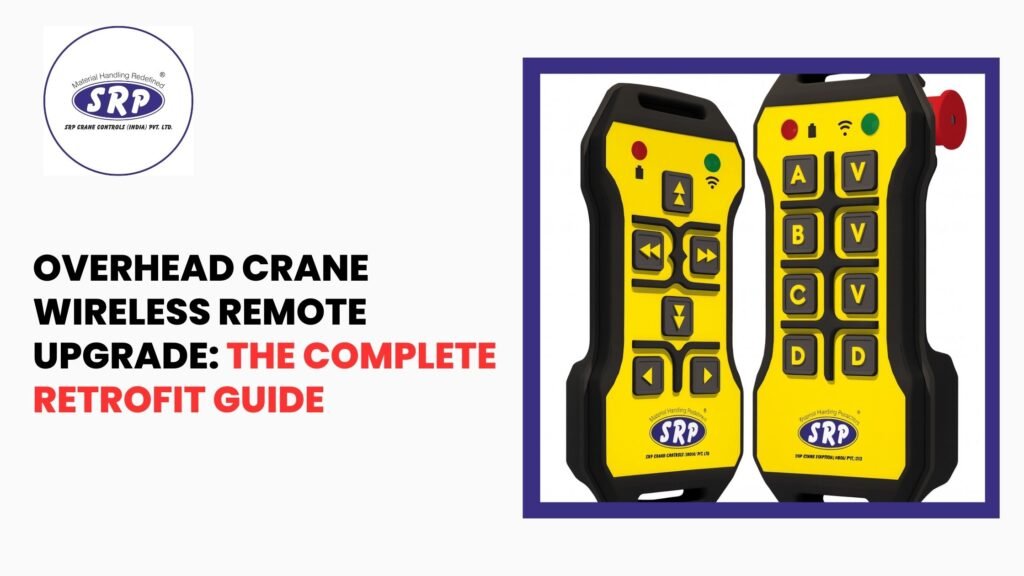
Introduction Your crane operator can’t see the landing zone. The pendant cable forces them into a corner with obstructed views. Every blind lift carries unnecessary risk. Wireless remote retrofits transform existing overhead cranes in 1-2 days without replacing motors, drives, or control panels. Operators gain 360-degree positioning freedom, accidents drop by 35-40%, and maintenance costs […]
Industrial Crane Radio Remote Controls for Enhanced Safety
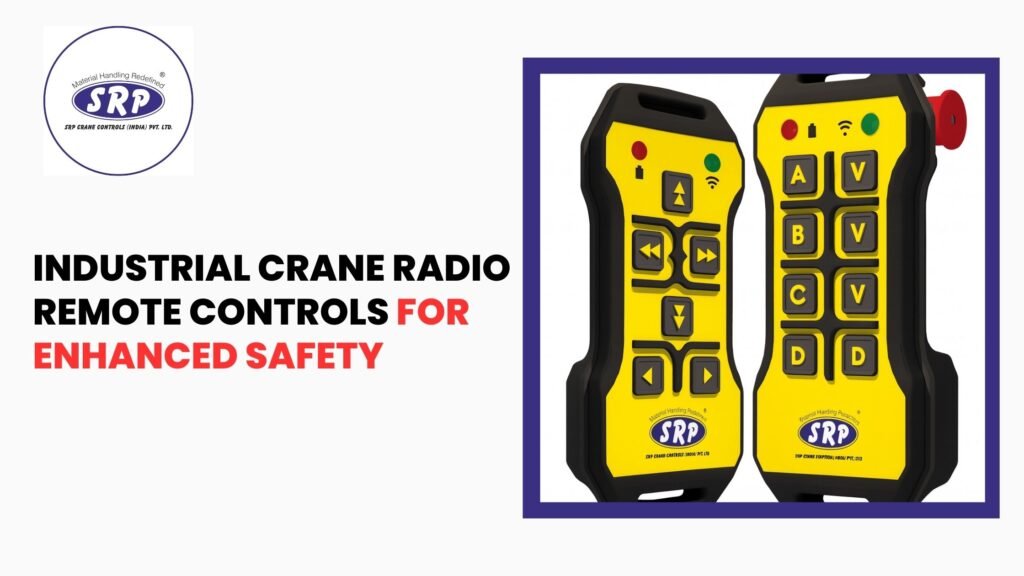
Introduction Crane operators still work inches from moving loads in thousands of factories across India. They stand on platforms, grip pendant controls, and track hooks overhead while their necks strain and their visibility narrows. This setup creates blind spots, fatigue-related errors, and accidents that cost companies lakhs in downtime and compliance issues. Radio remote controls […]
Choosing Festoon Systems for High-Speed Crane Performance
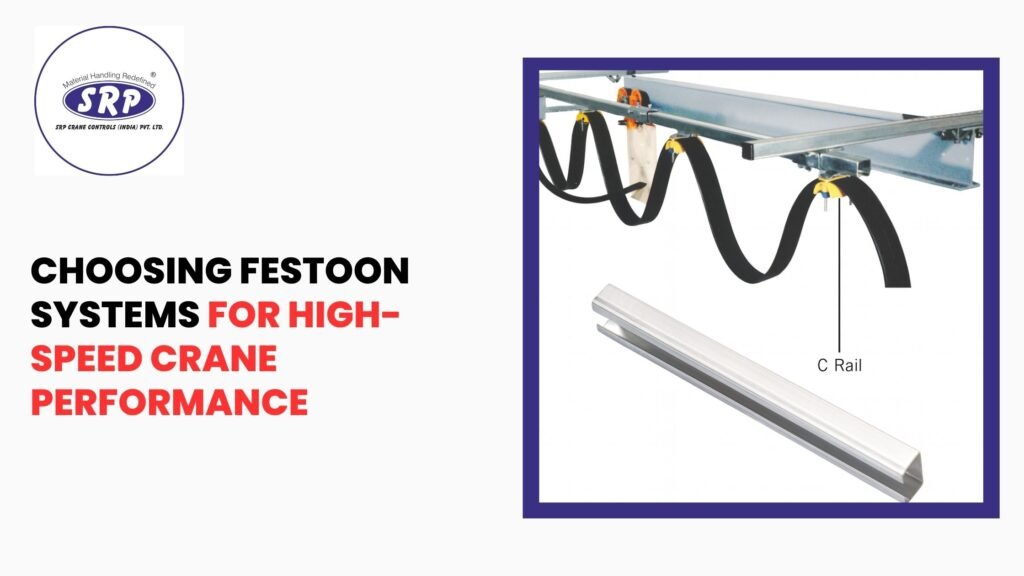
Introduction High-speed crane operations expose every weakness in your power delivery system. At travel speeds above 60 meters per minute, poorly specified festoon systems create cable whip, trolley derailment, and premature conductor failure. These breakdowns don’t announce themselves during installation—they emerge after weeks of operation when production schedules depend on continuous uptime. Most facilities assume […]