

Industrial Crane Remote Control: Guide to Better Operation
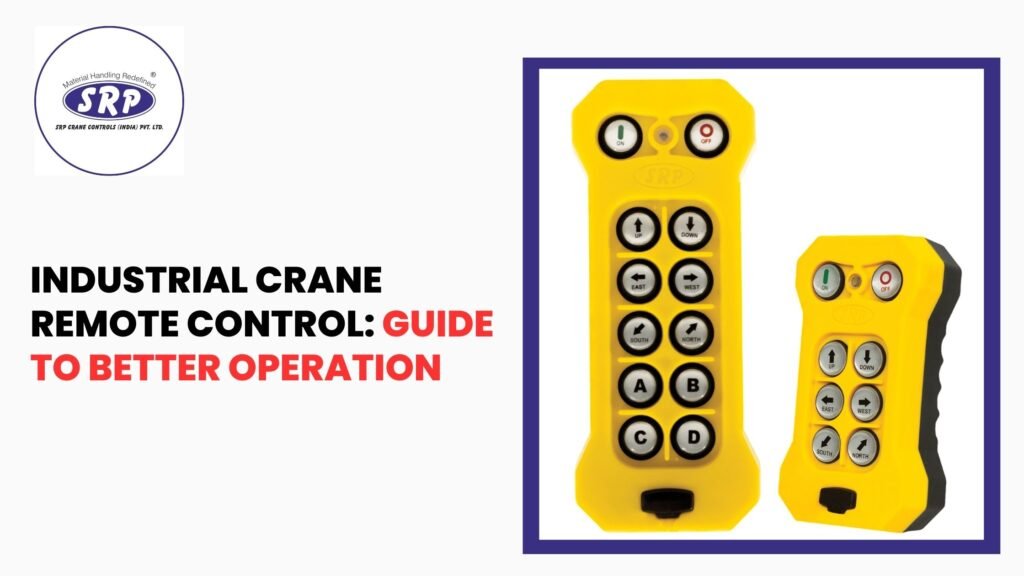
Your crane remote control isn’t the problem. How it gets used is. Most crane incidents traced back to remote control operations involve three patterns: operators standing in the wrong spot, poor pre-shift maintenance checks, and erratic load handling caused by abrupt joystick inputs. The remote functions correctly—but the operator is 2 meters from a swinging […]
How DSL Busbar Systems Work in EOT Cranes: Technical Guide
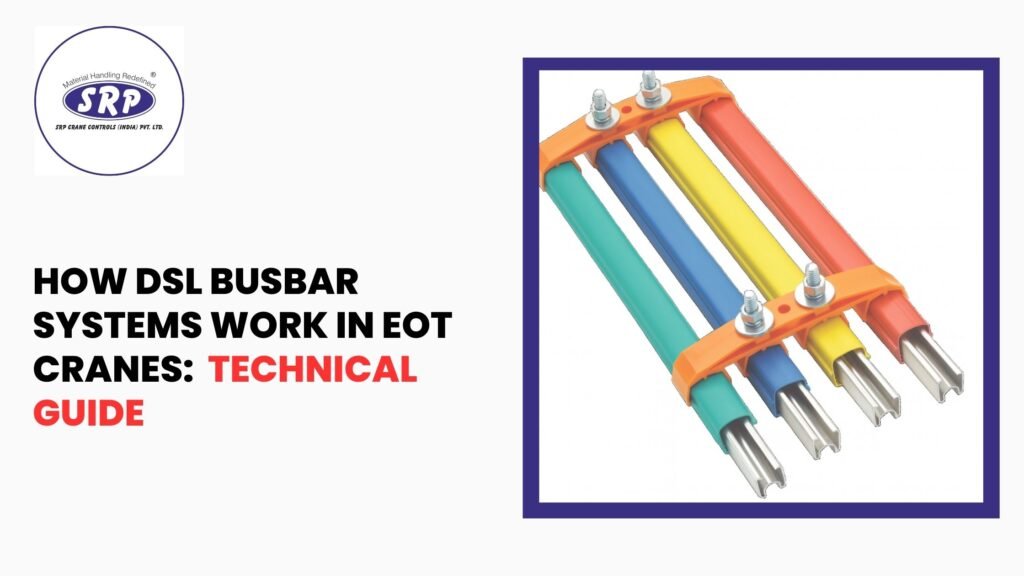
Introduction EOT crane downtime often starts with the power supply—not the motors, not the controls. Festoon cables are the most common culprit. They flex thousands of times daily, fatigue at bend points, and snap without warning during peak production. When that happens, the crane stops, the bay halts, and maintenance teams scramble to source replacement […]
Why Wireless Crane Remotes Improve Manufacturing Plant Safety

Introduction Manufacturing plants rely on overhead cranes for moving heavy materials, but pendant‑controlled cranes force operators to stay within cable reach—often directly under loads or beside moving machinery. This restriction creates blind spots, increases exposure to falling objects, and contributes to operator fatigue during long shifts. Wireless crane remote controls remove the physical tether, letting […]
Industrial DSL Busbar Systems for Crane Power Solutions

Introduction Your crane motor just tripped. Maintenance finds a burned-out conductor connection in the cable carrier. The third failure in eight months. Every repair costs ₹25,000–60,000 in parts and labor, plus 4–8 hours of unplanned downtime. Cable-based crane power systems fail predictably because they use the wrong technology for the job. Cables flex thousands of […]
Choosing the Best Crane Radio Remote Control System Guide

Most buyers pick crane radio remotes the wrong way. They get three quotes, filter by price, and choose the cheapest unit that matches their crane’s voltage. Six months later, signals drop mid-lift in the steel bay, battery life doesn’t survive a double shift, and the button layout forces operators to look down during critical placements. […]
DSL Busbar System for Overhead Cranes: A Complete Guide

Introduction Most overhead crane downtime traces back to a single weak point: the power supply system. Festoon cables wear out from repetitive bending, get snagged on equipment, and fail without warning in the middle of production shifts. A snapped cable on a 10-ton EOT crane can shut down an entire bay for 4 to 8 […]
Wireless Crane Remote Control Systems: Safety & Efficiency

Introduction Pendant-controlled cranes put operators in the wrong place at the wrong time. The cable dictates position, so operators stand under loads, beside pinch points, and inside hazard zones for every lift. Studies from crane safety bodies consistently show that restricted operator positioning contributes to over 40% of crane-related injuries—not equipment failure, not mechanical faults, […]
Safe & Low-Maintenance DSL Enclosed Bus Bar Crane Power

Introduction Your crane operator just got shocked touching the exposed conductor rail. Minor injury this time, but the incident report triggers a safety audit that halts production for two days. Cable carrier systems that worked fine last year now fail monthly—frayed cables, broken trolleys, and voltage drops that damage motors. Enclosed DSL busbar systems eliminate […]
Industrial Crane Radio Remote Controls: Pros and Cons Guide
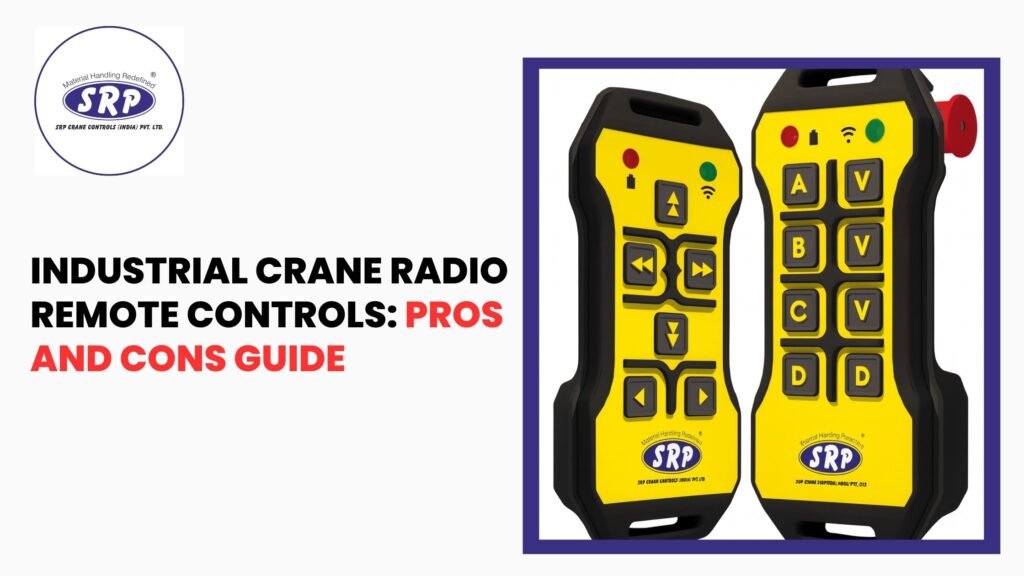
You’re evaluating radio remote controls for your crane fleet, but the supplier quotes are 60 to 80 percent higher than pendant replacements. Your maintenance team worries about battery management. Operations questions whether wireless will work reliably in your steel-heavy facility with metal structures blocking signals. These concerns are valid, but here’s what the cost comparison […]
Choosing the Best Crane Wireless Remote Control: 2026 Guide

Introduction Industrial buyers waste thousands on wireless remotes that fail within 18 months because they pick based on initial price and catalog specs instead of real-world durability. A ₹45,000 remote with generic RF modules and IP54 rating costs less upfront but breaks down every six months in dusty foundries, racking up ₹25,000 annually in replacements […]